

Nahttypen: Essential Seam Types for Durable and Professional Sewing
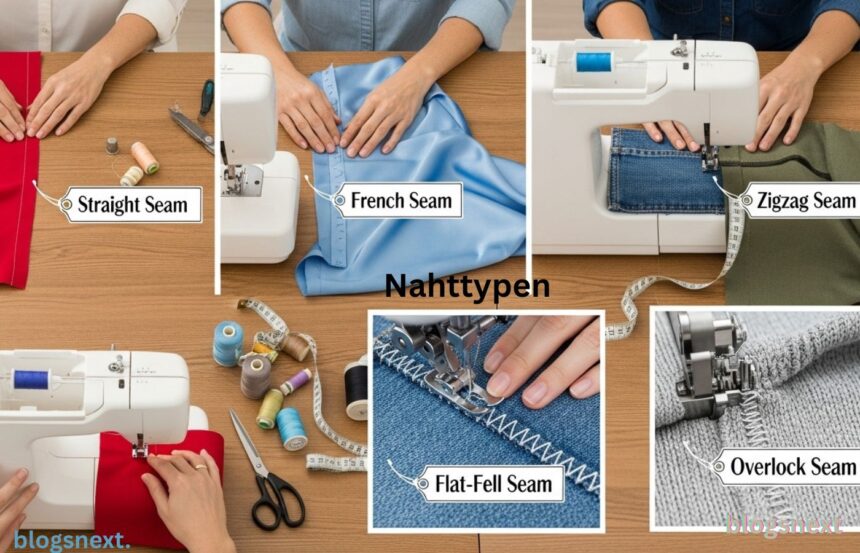
Nahttypen are the different seam types I carefully choose for every sewing project to ensure durability, function, and a professional finish. Each seam type serves a specific purpose, whether it is joining fabrics securely, preventing fraying, or adding stretch. Understanding nahttypen is essential for garments, home décor, or craft projects, as selecting the wrong seam can cause structural weaknesses or uneven finishes. By matching seam type to fabric and project purpose, I ensure my work performs well and lasts longer.
When I plan a project, I consider fabric properties, including weight, texture, and stretch. For example, lightweight fabrics like silk or chiffon benefit from French seams that encase raw edges, while knit fabrics require zigzag or overlock seams to maintain elasticity. Heavier fabrics like denim or canvas need flat-fell seams for maximum strength. Selecting the correct nahttypen based on fabric behavior prevents common sewing problems such as fraying, puckering, or seam failure.
I also consider the functional and visual aspects of each seam. Straight seams provide a clean, simple foundation, while decorative or reinforced seams enhance aesthetics and durability. By analyzing project requirements, fabric type, and intended use, I can choose nahttypen that combine practical performance with professional appearance. Proper seam selection ensures that every project—from clothing to upholstery—meets both user needs and quality standards.
What is Nahttypen?
Nahttypen are the specific types of seams I choose to join fabrics based on their strength, flexibility, and appearance. Each nahttypen serves a distinct purpose in sewing, from providing structural support to preventing fraying or adding decorative elements. Understanding these seam types is essential for creating garments, home textiles, and craft projects that are both durable and visually polished.
I use different nahttypen depending on the fabric and project needs. For example, straight stitches are ideal for woven cotton and linen because they provide stability and a clean line. Zigzag or overlock seams are better for stretch fabrics, such as jersey or spandex, because they expand with the material and prevent tearing. French seams are perfect for delicate fabrics like silk or chiffon, enclosing raw edges for a smooth interior finish.
Knowing what each nahttypen does allows me to make informed decisions. I consider fabric type, stress points, intended use, and aesthetic requirements before choosing a seam. This ensures that each project lasts longer, performs better, and looks professionally made.
 Why choosing the right nahttypen matters for your project
 Why choosing the right nahttypen matters for your project
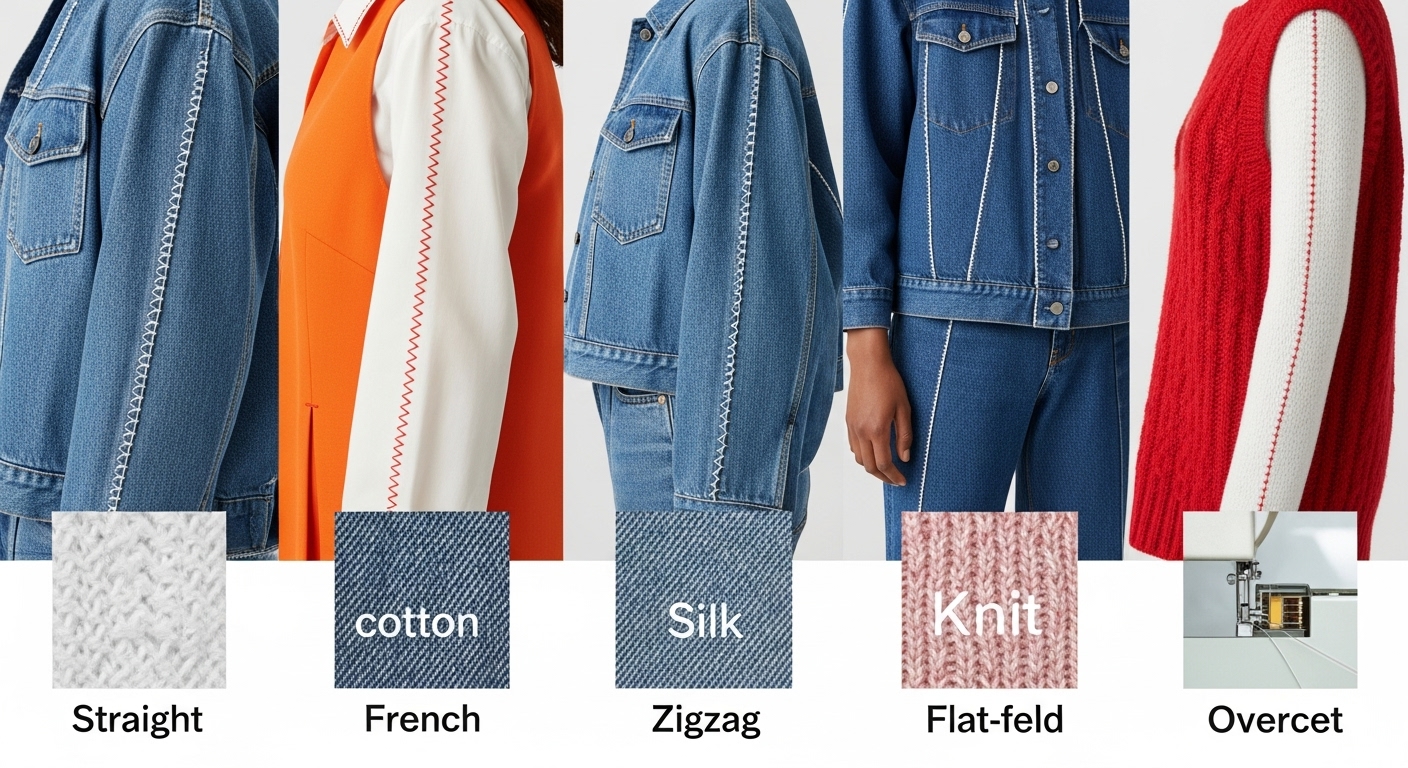
Choosing the correct nahttypen directly impacts durability, functionality, and visual quality. Users often wonder why some seams fail or fray while others hold up over time. I explain this by matching each seam to the fabric’s properties and the project’s requirements.
For example, beginners may select a straight stitch for a stretchy T-shirt, which can cause puckering or thread breakage. I guide users to choose zigzag or overlock seams instead, which stretch with the fabric and maintain shape. Similarly, French seams prevent fraying on lightweight fabrics, which is crucial for garments like blouses or dresses.
By considering these factors when selecting nahttypen, I ensure projects are durable, functional, and visually polished, reducing mistakes and improving results.
How to choose the right nahttypen for different projects
Choosing the correct nahttypen depends on the fabric, stress points, and intended use. I start by assessing the material’s weight, stretch, and durability. Lightweight fabrics like silk, chiffon, or cotton require delicate seams such as French seams to prevent fraying and maintain elegance. Medium-weight fabrics like linen or woven cotton work well with straight or zigzag seams for general construction. Heavy fabrics such as denim, canvas, or upholstery materials need flat-fell or reinforced overlock seams for maximum strength.
Next, I evaluate project purpose. Garments subjected to frequent movement, washing, or stress need seams that can withstand wear. For activewear or stretch clothing, I prefer zigzag or overlock seams to preserve elasticity. For workwear or upholstery, flat-fell seams provide durable, long-lasting reinforcement. Decorative projects or garments may prioritize aesthetics, so French seams or top-stitching enhance visual appeal while maintaining function.
Finally, I consider sewing method and skill level. Hand-sewn projects may favor simpler straight stitches or small French seams, while machine or industrial sewing allows precise overlock and flat-fell techniques. By balancing fabric, purpose, and method, I choose the nahttypen that delivers both performance and a professional finish.
Top nahttypen explained with use cases
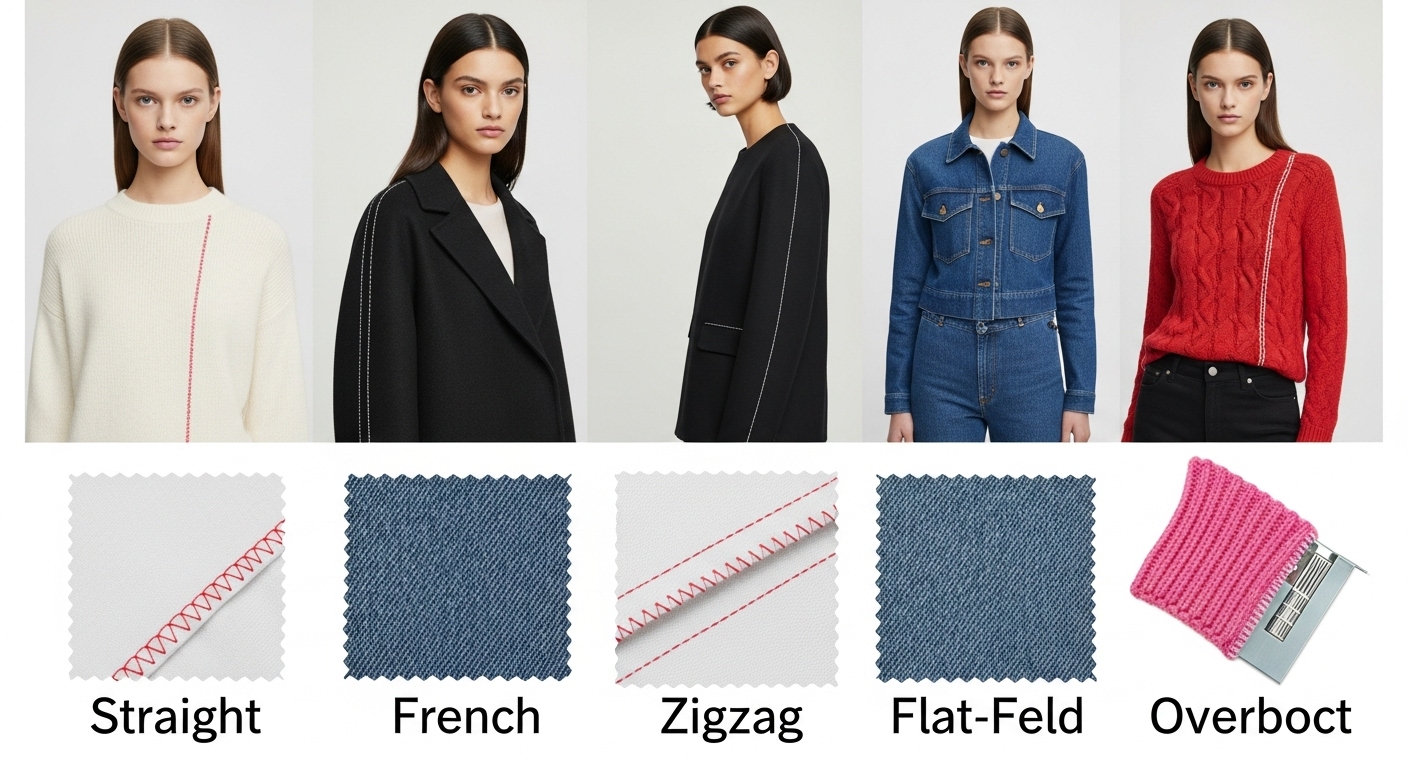
Different nahttypen solve specific sewing challenges. I break down the five most common types with practical examples for clarity.
Straight Seam
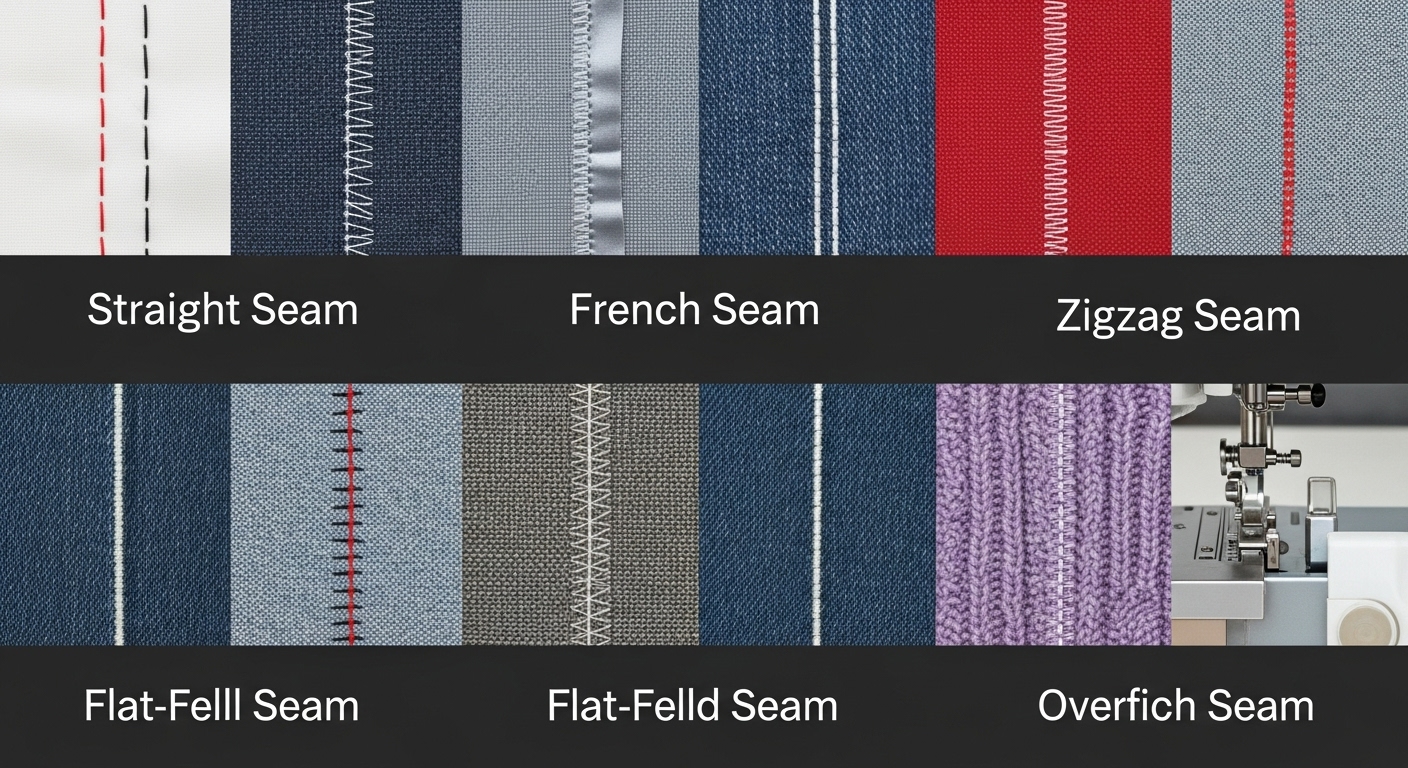
The straight seam is the most fundamental nahttypen I use in almost every sewing project. It joins two fabric pieces along a single line, offering stability and a clean finish. I rely on it for woven fabrics like cotton, linen, and medium-weight denim, where stretch is minimal and structure is important.
I often use straight seams in garments, home décor items, quilts, and simple craft projects. Maintaining a consistent distance from the fabric edge is essential for a polished look, and pressing the seam open or to one side improves durability. Beginners appreciate its simplicity, while experienced sewers use it as the foundation for complex projects. When sewn correctly, straight seams provide reliable strength, making them indispensable for both casual and professional sewing applications.
French Seam
 French Seam
French seams are my preferred choice for delicate fabrics and projects where interior neatness is crucial. I start by sewing the fabric pieces with wrong sides together, trim excess fabric, then stitch again with right sides facing to fully encase raw edges.
I use French seams on silk, chiffon, lightweight cotton, or voile. They prevent fraying while maintaining elegance, making them ideal for blouses, skirts, linings, or sheer curtains. The technique also adds durability to lightweight fabrics that might otherwise tear easily. French seams provide a professional interior finish without bulk, allowing garments to look refined inside and out. Mastering this seam is essential for anyone working with delicate textiles.
Zigzag Seam
Zigzag seams are a versatile nahttypen I use when flexibility and stretch are required. The wave-like stitch allows fabrics such as jersey, spandex, or knit blends to expand and contract without tearing.
Beyond stretch, I also use zigzag seams to prevent fraying on woven fabrics or to sew curves cleanly. Adjusting stitch width and length lets me tailor the seam for different materials and visual effects. This seam is ideal for activewear, fitted garments, or decorative edge finishes. Using contrasting thread can add a stylish element, while proper tension and stitch width maintain both functionality and durability. Zigzag seams combine practicality with design flexibility.
Flat-Fell Seam
Flat-fell seams are my go-to for projects requiring durability and a polished finish. I fold fabric edges into the seam itself and top-stitch, enclosing raw edges completely. This method creates strong, long-lasting seams while producing a clean, professional look.
I rely on flat-fell seams for denim jeans, workwear, heavy cotton, canvas, and upholstery. They withstand stress, repeated washing, and frequent wear. Precise folding and consistent top-stitching are essential to achieve a sleek appearance. This seam not only adds structural integrity but also enhances visual appeal, making it ideal for garments and projects that combine strength with style. Mastering flat-fell seams elevates any sewing project.
Overlock Seam
Overlock seams are indispensable for finishing raw edges efficiently while adding elasticity. Using multiple threads, this nahttypen trims excess fabric and encases edges simultaneously, preventing fraying and providing stretch.
I use overlock seams on knits, woven fabrics, and activewear that requires both durability and flexibility. Overlock machines speed up sewing while delivering professional-quality results, making them essential for industrial projects and serious DIY sewing. Proper threading, tension adjustment, and steady feeding ensure even, clean edges. Overlock seams are highly versatile, combining strength, elasticity, and a polished appearance—perfect for garments and home projects where both functionality and finish are critical.
How to select nahttypen based on fabric and project
 How to select nahttypen based on fabric and project
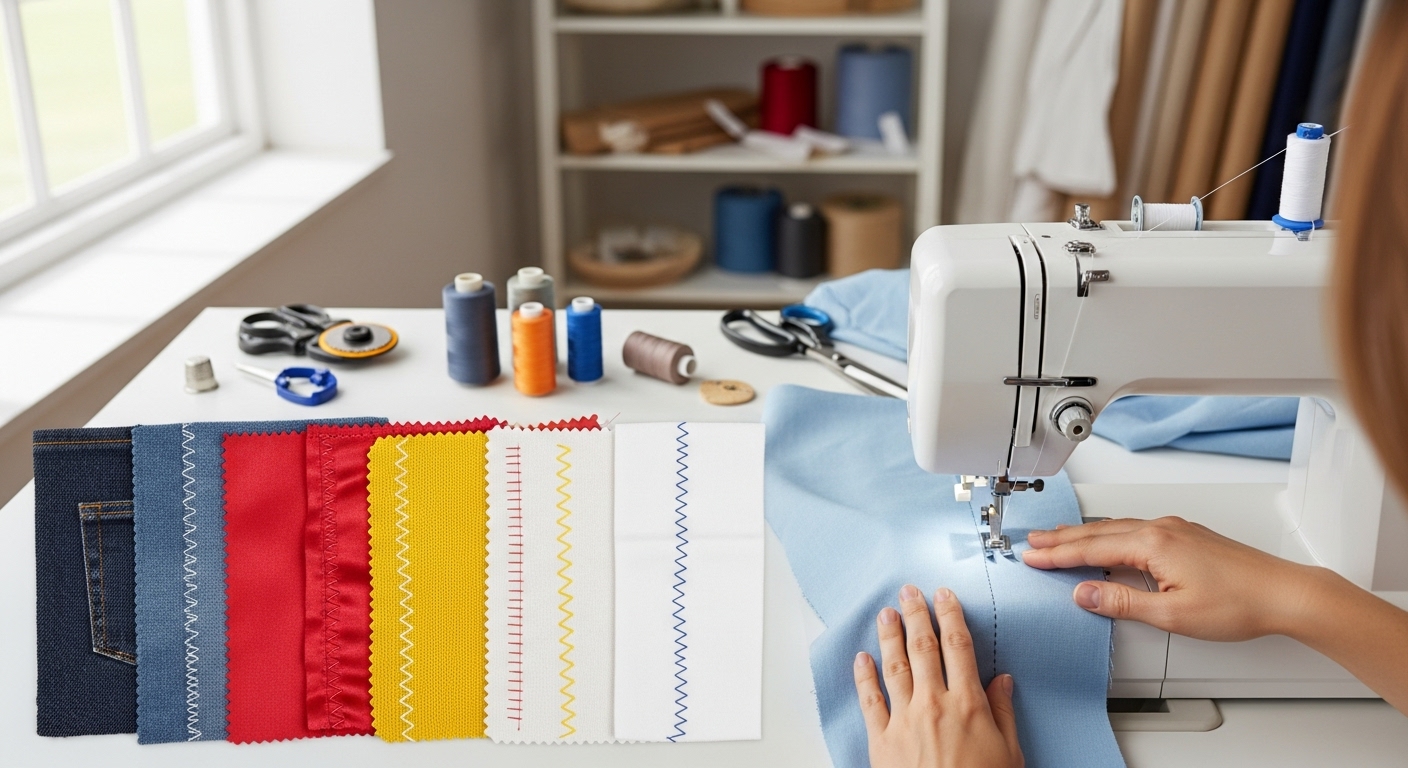
Users frequently ask which nahttypen to use for specific fabrics. I guide them by evaluating weight, texture, and stretch.
Lightweight fabrics: French seams or narrow straight stitches prevent fraying and maintain elegance. Examples include silk scarves, chiffon blouses, or lightweight cotton dresses.
Medium-weight fabrics: Straight stitches or zigzag seams balance strength and flexibility. Cotton shirts, linen skirts, or casual dresses benefit from these options.
Heavy fabrics: Flat-fell seams or reinforced overlock seams provide durability for denim, canvas, or upholstery. I recommend these for jeans, workwear, jackets, or furniture covers.
Project purpose is equally important. Garments that will stretch or undergo stress need seams that move with the fabric. Decorative or interior seams can prioritize aesthetics without compromising integrity. By combining fabric type and intended use, I ensure each nahttypen meets functional and visual expectations.
Step-by-step guidance for sewing each seam type
Practical instructions help users implement nahttypen effectively. I explain techniques for common seams:
Straight Stitch: Keep stitch length consistent; backstitch at seam ends; choose needle size appropriate for fabric.
Zigzag Stitch: Adjust stitch width and tension to match fabric stretch; use stretch needles for knits.
Overlock Stitch: Feed fabric evenly; trim edges; maintain proper tension for smooth, finished edges.
Flat-Fell Seam: Fold edges carefully; press before top-stitching; align layers precisely.
French Seam: Sew a narrow first seam; trim edges; fold to enclose raw edges; press before final stitching.
Following these steps ensures seams perform correctly, maintain fabric integrity, and create durable, clean finishes.
Comparing nahttypen: Strength, flexibility, and finish
 Comparing nahttypen: Strength, flexibility, and finish
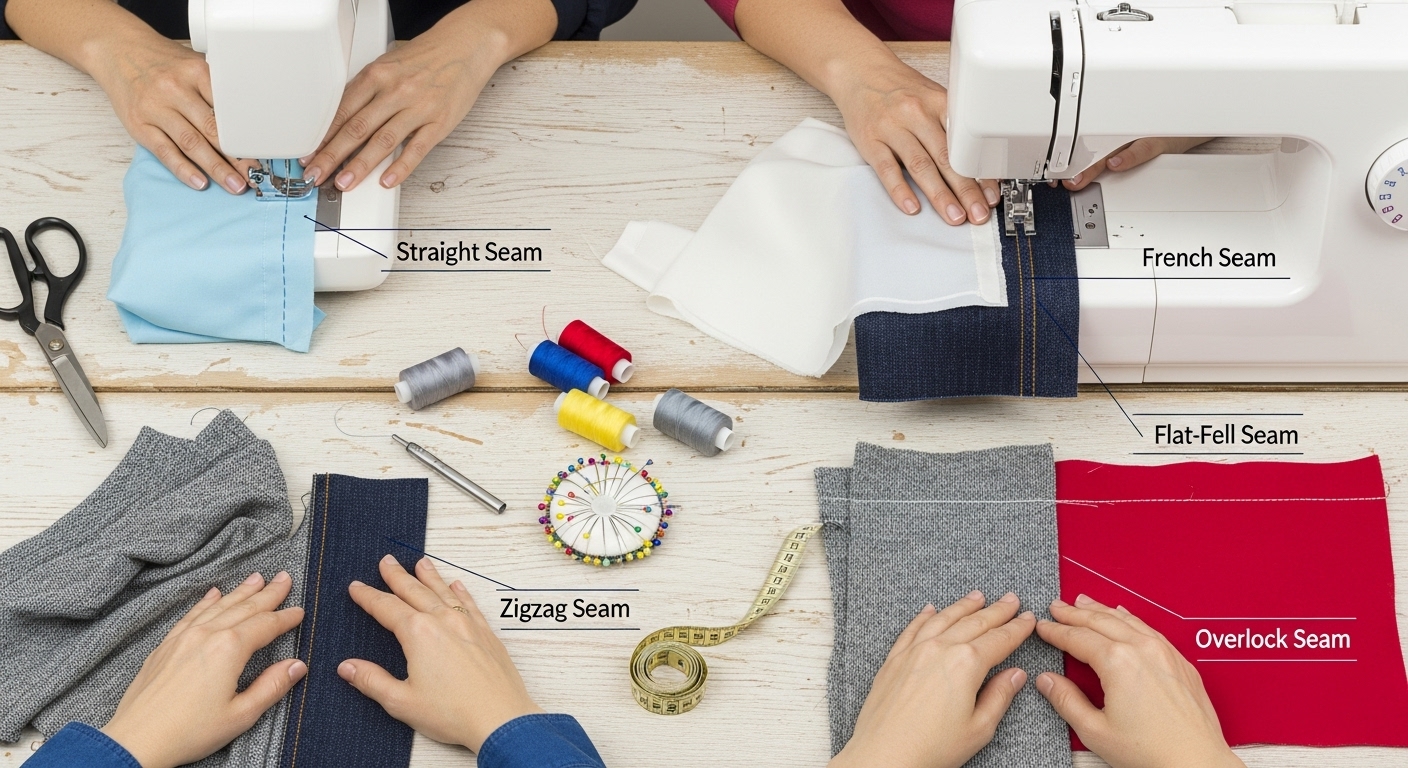
Different nahttypen vary in durability, flexibility, and appearance. I compare them to match user needs and fabric characteristics. Straight stitches are strong on woven fabrics but break on stretch materials if not reinforced. Zigzag stitches allow stretch fabrics to expand and contract without tearing. Overlock seams finish edges neatly and provide strength on knits or medium-weight fabrics.
Flat-fell seams are my choice for heavy-duty projects requiring maximum durability. They enclose raw edges and include top-stitching for reinforcement. French seams, by contrast, are designed for delicate fabrics, creating clean interiors without bulk. Understanding these differences helps users select the right seam for the right fabric and project purpose.
I also consider maintenance and longevity. Seams like flat-fell and overlock withstand repeated washing and heavy wear. French seams preserve delicate textiles over time, preventing fraying. Zigzag stitches maintain elasticity in knits, ensuring garments retain their shape. Comparing nahttypen across these criteria lets me make informed, practical choices for any project.
DIY projects vs. industrial applications
Nahttypen are not one-size-fits-all; I choose seams differently for DIY versus industrial projects. In home sewing, I focus on simpler seams that deliver durability without specialized equipment, such as straight, zigzag, or French seams. These are accessible, easy to sew, and suitable for casual garments, home décor, and crafts.
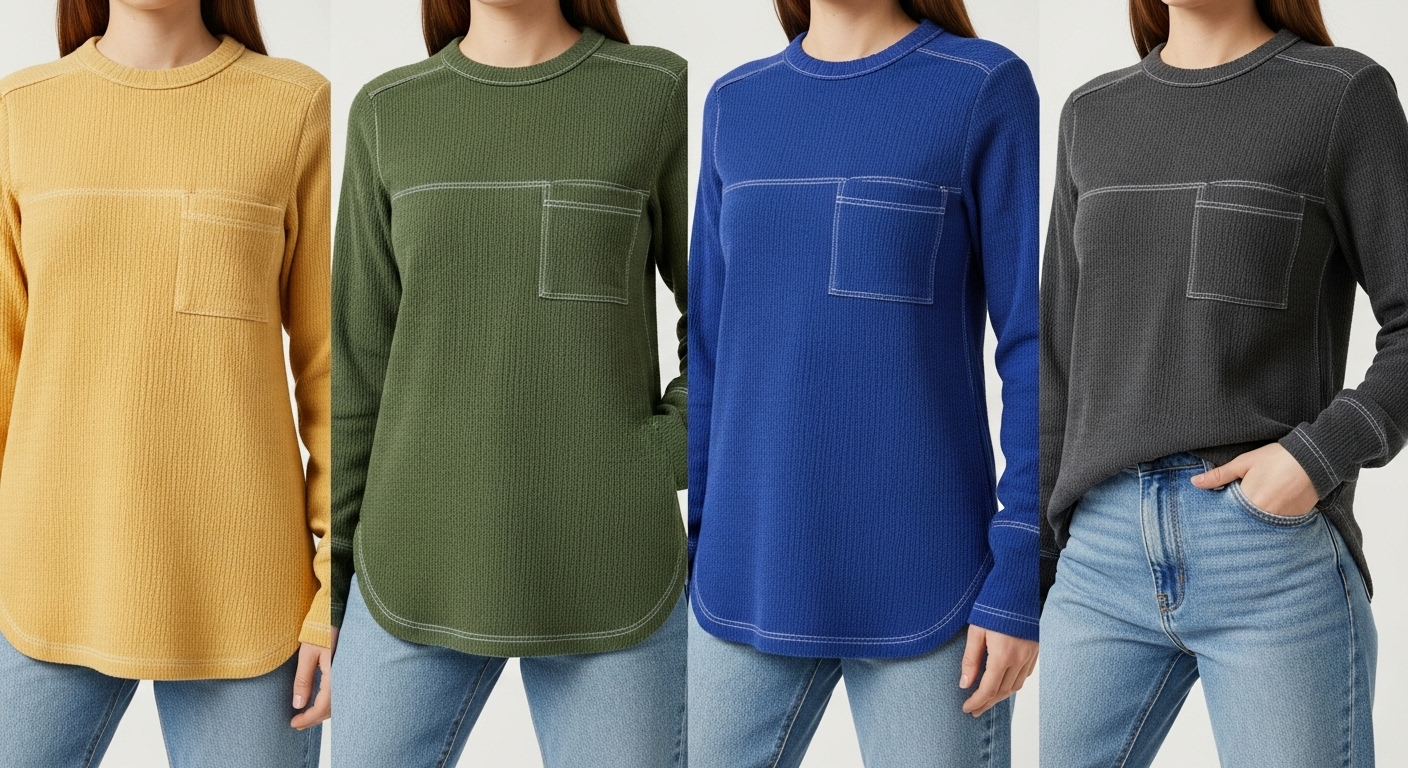 For industrial or professional applications, I rely on overlock and flat-fell seams. Overlock machines allow fast, consistent edge finishing for medium to heavy fabrics, while flat-fell seams provide maximum strength in high-stress areas like denim or upholstery. Using the correct nahttypen ensures products meet functional, aesthetic, and commercial expectations.
I also weigh project volume and time. DIY projects may prioritize flexibility and ease, while industrial sewing emphasizes efficiency and durability. By understanding these distinctions, I select the right nahttypen to balance performance, time, and appearance.
Advanced tips for achieving professional results
I follow precise techniques to maximize seam performance. Consistent stitch length, correct tension, and proper fabric handling are key to professional finishes. For straight stitches, I maintain even length and backstitch ends to prevent unraveling. Zigzag stitches require width and tension adjustments to match fabric elasticity.
Overlock seams demand careful threading and even fabric feeding to avoid uneven edges. Flat-fell seams benefit from pressing folds before top-stitching, keeping layers aligned. French seams require a narrow initial seam, trimming, and folding to enclose raw edges, creating polished interiors.
I also recommend testing seams on scrap fabric before starting the project. This helps users verify tension, stitch length, and seam strength, preventing errors. By combining technique, preparation, and seam selection, every project achieves durability, clean finishes, and professional-quality results.
Practical decision guide for users
 Practical decision guide for users
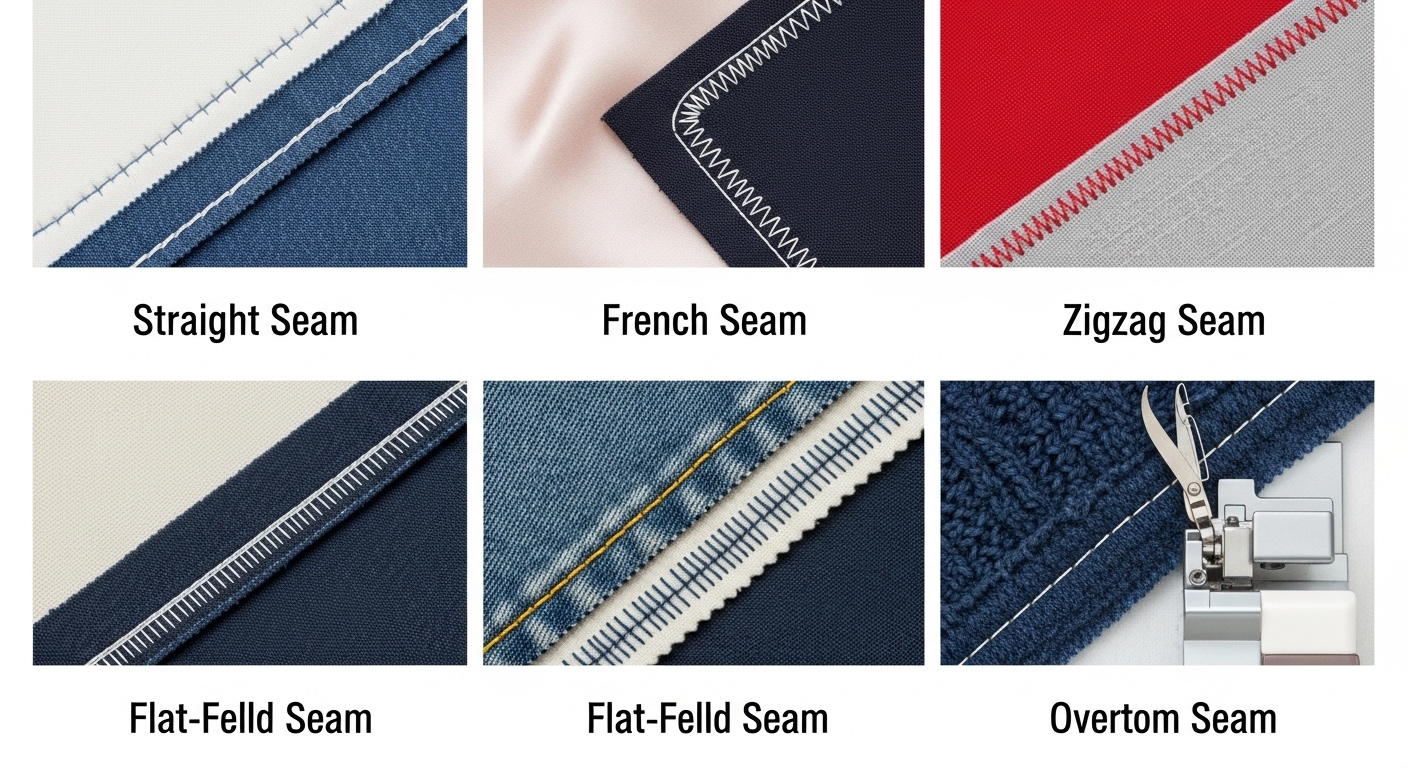
When I plan a sewing project, I follow a structured decision approach:
Identify the fabric type: lightweight, medium, or heavy.
Determine project purpose: stress tolerance, movement, decorative need.
Evaluate preferred sewing method: hand, machine, or industrial.
Match nahttypen based on strength, flexibility, and aesthetics.
Test seam on scrap fabric for tension, stitch length, and alignment.
Following these steps ensures that users select the optimal nahttypen for their specific project. This structured approach prevents seam failure, saves time, and improves overall project quality.
Common mistakes and how to avoid them
Many users struggle with nahttypen selection. I address key mistakes to improve results:
Using straight stitches on stretch fabrics, causing puckering and thread breakage.
Ignoring seam allowance or edge finishing, leading to fraying or weak seams.
Selecting heavy seams for delicate fabrics, creating bulk and uneven surfaces.
Overlooking fabric stretch, direction, or texture, compromising seam performance.
To prevent these issues, I recommend assessing fabric behavior, testing seams, and choosing appropriate techniques. Adjusting tension, stitch length, and fold placement ensures each nahttypen performs correctly and produces professional results.
When to choose decorative vs. functional seams
Not all nahttypen serve the same purpose. I decide between decorative and functional seams based on project goals. Functional seams like flat-fell or overlock focus on durability and support high-stress areas. Decorative seams, including top-stitched zigzag or French seams, emphasize aesthetics while maintaining reasonable strength.
For garments exposed to frequent movement or washing, I prioritize functional seams. For delicate fabrics, showpieces, or lining interiors, decorative seams improve appearance without compromising fabric integrity. Evaluating seam purpose alongside fabric properties helps users make practical, informed decisions.
Frequently Asked Questions (FAQs)
 Frequently Asked Questions (FAQs)
Q1: Which nahttypen is best for stretch fabrics?
For stretch fabrics like jersey or spandex, I recommend zigzag or overlock seams. Zigzag stitches allow the fabric to expand and contract without breaking the thread, while overlock seams enclose raw edges and prevent fraying. Both options maintain elasticity and provide durability for garments that undergo frequent movement.
Q2: Can French seams be used on heavy fabrics?
French seams are best for lightweight to medium fabrics, such as silk, chiffon, or fine cotton. I avoid using them on heavy fabrics like denim or canvas because folding multiple layers creates bulk and can make sewing difficult. For heavier textiles, flat-fell or reinforced straight stitches provide better strength and a professional finish.
Q3: How do I prevent seams from puckering?
I prevent puckering by adjusting stitch length, tension, and needle size according to fabric type. For delicate fabrics, I use shorter stitches and fine needles. For knits or stretch fabrics, I use zigzag or overlock seams and ensure consistent feeding. Proper seam allowance and pressing also improve smoothness.
Q4: Are overlock seams necessary for DIY projects?
Overlock seams are not always necessary for DIY projects, but they significantly improve edge finishing and durability, especially for knit fabrics. If an overlock machine is unavailable, zigzag stitching can achieve similar results, though industrial seams remain stronger and cleaner.
Conclusion
Nahttypen play a crucial role in the durability, function, and appearance of every fabric project I work on. By understanding different seam types—straight, zigzag, overlock, flat-fell, and French—I can match the right seam to the fabric, project purpose, and intended use. Proper seam selection prevents fraying, maintains elasticity, and ensures long-lasting results.
I consider fabric type, project function, aesthetic requirements, and sewing method to make informed decisions. Applying practical techniques like correct stitch length, tension, and seam alignment ensures each seam performs as intended. Whether for DIY garments, professional fashion, or industrial textiles, choosing the right nahttypen is essential to achieving professional, durable, and visually polished results.
Stop scrolling—this is the blog everyone is talking about