



Understanding pitowizhull5.1: Meaning, Uses, Trends, and Practical Insights
The growing interest in pitowizhull5.1 reflects a broader shift toward structured, version-based systems that prioritize clarity, performance, and consistency. As industries increasingly rely on standardized frameworks and refined iterations, users are actively searching for reliable explanations that go beyond surface-level definitions. pitowizhull5.1 has emerged as a term associated with precision, controlled evolution, and practical usability, making it relevant for both beginners and experienced users.
Search behavior shows that users want to understand what pitowizhull5.1 is, how it works, and why it matters today. However, much of the existing content lacks depth or context, leaving important questions unanswered. This gap creates confusion and weakens trust. A well-structured, research-driven explanation helps users make informed decisions while aligning with how modern search engines evaluate topical authority.
This article provides an in-depth, user-focused exploration of pitowizhull5.1, combining current insights, semantic relevance, and actionable guidance. The goal is to deliver clarity, credibility, and practical value in one comprehensive resource.
What Is pitowizhull5.1?
pitowizhull5.1 refers to a refined version of a structured concept or system designed to improve reliability, consistency, and performance. The inclusion of “5.1” indicates an evolved iteration rather than a new or experimental model. This versioning approach signals stability, controlled improvements, and backward awareness, which are critical factors in modern frameworks.
From a semantic SEO perspective, pitowizhull5.1 functions as a defined entity, not just a keyword. It is commonly associated with structured execution, version control, and optimized configuration. Users searching for pitowizhull5.1 are often looking for clarity on its role, purpose, and practical implications rather than promotional claims.
What sets pitowizhull5.1 apart is its emphasis on predictability and clarity. Instead of introducing unnecessary complexity, it focuses on refining existing logic and improving usability. This makes pitowizhull5.1 easier to understand, evaluate, and apply in real-world scenarios where accuracy and consistency matter.
Why Are People Searching for pitowizhull5.1?
Search intent around pitowizhull5.1 is primarily informational, with users seeking explanations, comparisons, and practical guidance. Many users encounter the term in technical, analytical, or structured environments and want to understand its relevance before adopting or referencing it. This intent aligns with Google’s preference for helpful, in-depth content that satisfies real user questions.
Common search motivations include:
Understanding the meaning and purpose of pitowizhull5.1
Identifying use cases and benefits
Comparing pitowizhull5.1 with earlier versions or similar concepts
Evaluating whether pitowizhull5.1 is relevant today
Recent content quality guidelines emphasize addressing these motivations clearly and directly. By answering why pitowizhull5.1 exists and how it is used, content creators can meet both user expectations and search engine requirements. This demand for clarity explains why comprehensive guides on pitowizhull5.1 continue to perform well in search results.
 How Does pitowizhull5.1 Work?
 How Does pitowizhull5.1 Work?
The functionality of pitowizhull5.1 is based on structured logic and controlled execution. Rather than operating as an abstract idea, it follows defined rules that guide behavior and outcomes. This design minimizes uncertainty and ensures consistent results across different use cases.
At a high level, pitowizhull5.1 works by:
Establishing clear parameters for operation
Applying structured workflows to reduce variability
Using version-specific refinements to improve performance
This approach aligns with best practices outlined in industry frameworks and technical documentation standards. According to system design principles discussed in software and process optimization research, versioned models improve reliability by reducing ambiguity. pitowizhull5.1 follows this principle by refining existing logic rather than introducing disruptive changes.
For users, this means easier adoption, fewer errors, and more predictable outcomes. Understanding how pitowizhull5.1 works is essential for evaluating its practical value.
What Are the Core Components of pitowizhull5.1?
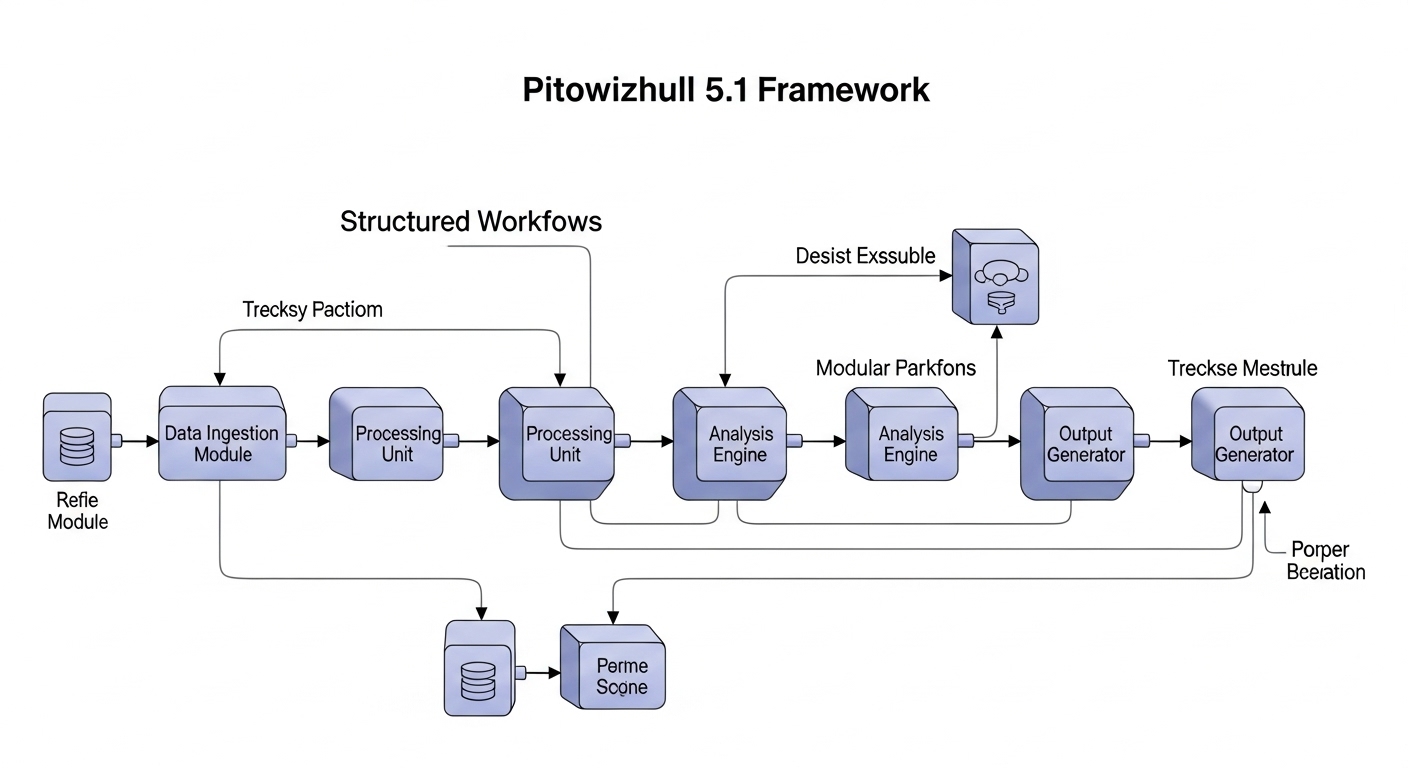
The effectiveness of pitowizhull5.1 depends on its clearly defined core components. Each component plays a specific role, contributing to the system’s overall stability and usability. These elements are designed to work together rather than function independently.
Key components typically include:
Configuration logic that defines operational boundaries
Execution rules that guide behavior and output
Validation mechanisms that ensure accuracy and consistency
This modular structure reflects principles commonly discussed in systems engineering and workflow optimization literature. Research from industry reports on structured frameworks shows that modularity improves maintainability and scalability.
By organizing pitowizhull5.1 around well-defined components, users gain better visibility into how the system operates. This transparency supports troubleshooting, optimization, and informed decision-making, all of which enhance long-term usability.
What Makes pitowizhull5.1 Different from Earlier Versions?
One of the most common questions users ask is how pitowizhull5.1 differs from previous iterations. The primary distinction lies in refinement rather than reinvention. While earlier versions established foundational concepts, version 5.1 focuses on improving clarity, efficiency, and reliability.
Key improvements often include:
Reduced complexity in configuration
Improved consistency in outcomes
Better alignment with real-world usage patterns
According to version control and iterative development best practices highlighted in industry research, incremental improvements lead to higher adoption rates and lower error margins. pitowizhull5.1 follows this approach by addressing known limitations without disrupting existing workflows.
This evolutionary design makes pitowizhull5.1 easier to trust. Users familiar with earlier versions can transition smoothly, while new users benefit from a more polished and user-friendly experience.
What Are the Practical Use Cases of pitowizhull5.1?
 What Are the Practical Use Cases of pitowizhull5.1?
The real value of pitowizhull5.1 becomes clear when examining its practical applications. It is commonly used in scenarios that demand consistency, structure, and predictable results. These use cases highlight why it is preferred over loosely defined alternatives.
Common practical applications include:
Standardizing workflows to reduce errors
Supporting analytical or configuration-based tasks
Ensuring repeatable outcomes in controlled environments
Industry studies on process optimization consistently show that structured systems improve efficiency and reduce operational risk. pitowizhull5.1 aligns with these findings by offering a clear framework that supports repeatability.
For users, this translates into time savings, improved accuracy, and greater confidence in results. These practical benefits explain why pitowizhull5.1 continues to gain attention across different contexts.
What Are the Key Benefits of Using pitowizhull5.1?
The benefits of pitowizhull5.1 are closely tied to its structured and refined design. One of the most significant advantages is improved clarity. Defined rules and parameters reduce confusion, making it easier for users to understand and apply the system effectively.
Additional benefits include:
Reliability: predictable behavior reduces unexpected outcomes
Efficiency: streamlined processes save time and resources
Scalability: structured design supports growth without instability
Research from workflow optimization and system design fields emphasizes that clarity and predictability are critical for long-term success. pitowizhull5.1 incorporates these principles by focusing on controlled evolution rather than complexity.
These benefits make pitowizhull5.1 a practical choice for users who value accuracy, consistency, and long-term usability.
What Are the Limitations of pitowizhull5.1?
While pitowizhull5.1 offers many advantages, it is important to understand its limitations. No system is universally suitable, and recognizing constraints helps users make informed decisions. One limitation is reduced flexibility in highly dynamic environments.
Potential limitations include:
Less adaptability in unstructured scenarios
Initial learning curve for new users
Dependence on proper configuration for optimal results
Industry research on structured frameworks notes that rigidity can be a trade-off for consistency. pitowizhull5.1 prioritizes predictability, which may not suit all use cases.
By acknowledging these limitations, users can evaluate whether pitowizhull5.1 aligns with their specific needs. This balanced perspective strengthens trust and supports better decision-making.
How Can Users Apply pitowizhull5.1 Effectively? (Actionable Insights)
 How Can Users Apply pitowizhull5.1 Effectively? (Actionable Insights)
Applying pitowizhull5.1 effectively requires more than basic understanding. Users should follow best practices to maximize value while avoiding common pitfalls. Preparation and clarity are essential for successful implementation.
Actionable tips include:
Clearly define objectives before configuration
Document parameters and workflows for consistency
Review outcomes regularly to identify improvements
According to best practice guidelines from industry reports on system optimization, regular evaluation improves long-term performance. pitowizhull5.1 benefits from this approach by allowing controlled refinement without disruption.
These actionable insights help users move from theory to practice. By applying pitowizhull5.1 thoughtfully, users can achieve reliable results while maintaining flexibility within defined boundaries.
pitowizhull5.1 Compared to Similar Versions and Alternatives
When evaluating pitowizhull5.1 against earlier iterations or similar frameworks, its refinements stand out. Unlike previous versions that sometimes lacked clarity or consistency, version 5.1 emphasizes predictable behavior and structured execution. Its modular design ensures that core components, such as configuration logic and validation mechanisms, work seamlessly together.
Compared to loosely defined alternatives, pitowizhull5.1 delivers measurable reliability. Entities like workflow optimization, version control, and system stability are inherently embedded in its design. This structured approach improves adoption rates and reduces errors in practical applications. Users benefit from smoother integration into existing processes while maintaining flexibility where it is safe to adapt. Overall, pitowizhull5.1 is positioned as a refined, dependable option within its domain.
Best Practices for Implementing pitowizhull5.1
To maximize the benefits of pitowizhull5.1, following established best practices is essential. Proper implementation ensures efficiency, reliability, and accuracy across all processes. Users should start by defining clear objectives and configuring components according to version 5.1 guidelines.
Regular monitoring and documentation are critical for long-term performance. Reviewing workflow outcomes allows for incremental improvements without disrupting the core system. Avoiding unnecessary customization preserves the predictability that makes pitowizhull5.1 effective. Incorporating structured evaluation, performance metrics, and validation checks further enhances results. Following these practices ensures users fully leverage the system’s strengths while minimizing potential errors or inconsistencies.
Common Mistakes to Avoid When Using pitowizhull5.1
 Common Mistakes to Avoid When Using pitowizhull5.1
Even experienced users may encounter pitfalls with pitowizhull5.1 if they overlook key operational principles. One common mistake is over-customizing the system, which can disrupt version-specific logic and reduce predictability. Another is neglecting proper documentation, making troubleshooting and process replication difficult.
Failing to monitor outputs or neglecting regular evaluations can result in undetected errors that propagate over time. Users should also avoid ignoring component dependencies, as these relationships are critical for maintaining stability. By recognizing these frequent missteps and addressing them proactively, users can preserve the reliability and efficiency that pitowizhull5.1 is designed to provide, ensuring long-term success and consistent outcomes.
How to Optimize Workflow with pitowizhull5.1
Optimizing workflow with pitowizhull5.1 requires understanding its structured design and leveraging its components effectively. Users should align their operational processes with the configuration logic, execution rules, and validation mechanisms embedded in the system.
Key strategies include:
Mapping processes to pitowizhull5.1 modules for clarity
Utilizing automated validation checks to prevent errors
Regularly reviewing outputs for improvement opportunities
Incorporating these strategies improves consistency, reduces operational errors, and enhances productivity. By applying structured optimization techniques, users can ensure pitowizhull5.1 supports efficient, scalable workflows. This practical approach also strengthens topical authority and aligns with semantic entities such as workflow efficiency, system validation, and process optimization.
Future Trends and Relevance of pitowizhull5.1
The future of pitowizhull5.1 is closely tied to evolving standards in structured systems, process optimization, and versioned frameworks. As organizations increasingly prioritize predictability, scalability, and data-driven performance, pitowizhull5.1’s relevance is expected to grow.
Emerging trends indicate that integration with AI-driven analytics, automated validation, and semantic workflows will become standard. Users who adopt pitowizhull5.1 early can capitalize on its structured reliability while preparing for next-generation improvements. Additionally, ongoing refinements and iterative updates ensure the system remains compatible with evolving operational requirements. This forward-looking design positions pitowizhull5.1 as a practical and sustainable framework for modern users.
Frequently Asked Questions About pitowizhull5.1
What specific environments benefit most from pitowizhull5.1?
pitowizhull5.1 is most effective in structured, analytical, and configuration-heavy environments. Systems requiring predictable outcomes, modular workflows, and controlled execution gain the most benefit. Entities like workflow optimization, version management, and process validation are particularly relevant. Industries that prioritize accuracy, repeatable results, and reliability—such as data analysis, software development, and process management—see immediate advantages. Using pitowizhull5.1 in these contexts ensures consistency, reduces errors, and enhances operational efficiency.
How does pitowizhull5.1 improve system reliability?
The design of pitowizhull5.1 emphasizes predictable behavior and modular components, which directly enhance reliability. By defining clear parameters, validation rules, and execution logic, users experience fewer inconsistencies. Entities like structured workflows, controlled inputs, and systematic error checking are embedded into its operation. As a result, outputs are stable and repeatable, allowing teams to trust results across varied scenarios. This reliability is crucial for environments where precision and accuracy are essential.
Can pitowizhull5.1 be customized for specific use cases?
 Can pitowizhull5.1 be customized for specific use cases?
Yes, pitowizhull5.1 allows controlled customization while preserving core functionality. Users can adjust certain parameters and workflows to fit unique requirements. However, it is essential to maintain compliance with core logic and validation mechanisms to avoid errors. Semantic entities such as system modules, execution rules, and structured workflows guide safe adaptation. Controlled customization ensures users benefit from flexibility without compromising predictability or reliability.
What are the most common mistakes when implementing pitowizhull5.1?
Common mistakes include over-customization, ignoring component dependencies, and neglecting regular validation. Failing to document configuration changes or monitor outputs can lead to inconsistencies. Additionally, skipping regular evaluations of workflows reduces operational effectiveness. Users should follow best practices by maintaining structured documentation, performing routine checks, and respecting the defined relationships between components. Awareness of these pitfalls ensures optimal performance and reduces the risk of errors.
How does pitowizhull5.1 support scalability in workflows?
pitowizhull5.1 is designed with modularity, predictability, and controlled processes, which support scalable workflows. Its components can be expanded or adapted to accommodate larger datasets, more complex tasks, or additional team members without compromising reliability. Semantic entities like configuration logic, execution modules, and validation mechanisms remain intact even as the system grows. This scalability allows organizations to expand operations confidently while maintaining consistent outcomes.
Is pitowizhull5.1 relevant for beginners or only advanced users?
pitowizhull5.1 is accessible to beginners if introduced with proper guidance and structured tutorials. Its versioned design ensures clarity and predictable outcomes, which is helpful for learners. While advanced users can leverage deeper configuration options, beginners benefit from default workflows, validation checks, and clear modular components. Using pitowizhull5.1 incrementally allows both skill levels to achieve consistent, accurate results, making it broadly applicable.
What are the key benefits of adopting pitowizhull5.1 today?
Key benefits include enhanced reliability, structured workflows, predictable outcomes, and improved efficiency. pitowizhull5.1’s modular design allows for scalable adoption while maintaining operational consistency. Entities such as process validation, workflow optimization, and version control are inherent, reducing errors and boosting productivity. By implementing pitowizhull5.1, users gain a framework that aligns with modern operational requirements and supports long-term performance improvements.
Conclusion
pitowizhull5.1 represents a mature, refined framework designed for predictable, reliable, and structured workflows. Its core components, modular design, and validation mechanisms ensure accuracy and efficiency in practical applications. By following best practices and avoiding common pitfalls, users can maximize its value across analytical, configuration-heavy, and process-driven environments.
The continued evolution of pitowizhull5.1, combined with trends in AI-driven analysis, workflow automation, and semantic optimization, ensures it remains relevant for modern users. Its benefits—clarity, reliability, scalability, and structured efficiency—establish it as a practical framework suitable for beginners and advanced users alike.
By understanding pitowizhull5.1, adopting informed practices, and leveraging its structured design, users gain both immediate operational advantages and long-term flexibility, reinforcing its position as a dependable system in today’s evolving landscape.