


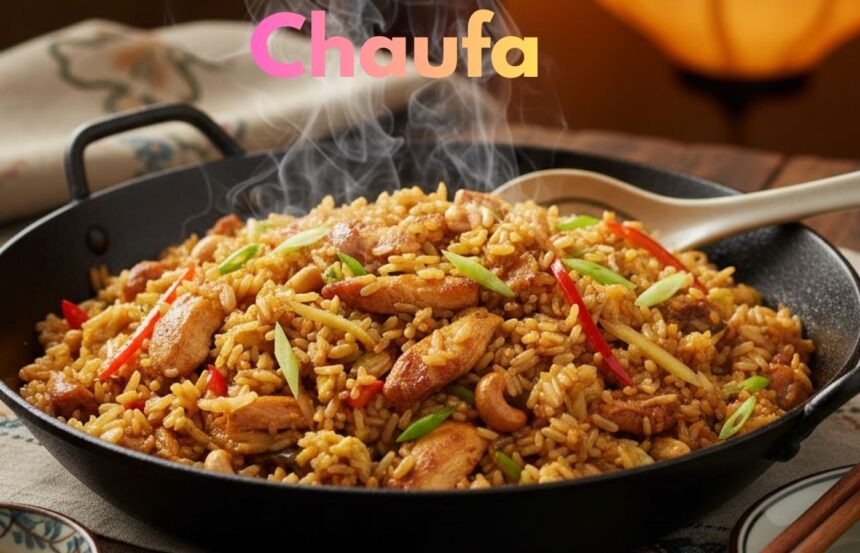
Chaufa – A Complete Guide to Peruvian-Chinese Fried Rice
Chaufa is a popular fried rice dish that reflects the deep cultural connection between Chinese immigrants and Peruvian cuisine. Over time, it has become one of Peru’s most famous comfort foods. People enjoy it in homes, restaurants, and street food stalls. Unlike ordinary fried rice, chaufa represents a fusion of culinary traditions that balances simplicity with bold flavors.
The dish comes from chifa cuisine. This style started when Chinese cooking methods were changed to use local Peruvian ingredients. Chaufa is special because of how it is made. It uses high heat and focuses on texture instead of heavy seasoning.
Today, chaufa is not only a national favorite in Peru but also a growing global food trend. This guide explores what chaufa is, where it comes from, how it is prepared, its nutritional value, and why it continues to gain popularity worldwide.
What Is Chaufa?
Definition and Meaning of Chaufa
Chaufa is a Peruvian-style fried rice dish traditionally made by stir-frying cooked rice with soy sauce, eggs, green onions, and a protein of choice. The term chaufa originates from Cantonese language roots meaning fried rice, highlighting its Chinese influence.
Why Chaufa Is Considered a Fusion Dish
Chaufa is classified as a fusion dish because it combines:
- Chinese stir-frying techniques
- Peruvian ingredients and taste preferences
- Local cooking adaptations
This blend makes Peruvian Chicken Fried Rice distinct from traditional Asian fried rice dishes.
Origin and History of Chaufa
Chinese Immigration and Chifa Cuisine
The history of chaufa dates back to the 19th century when Chinese immigrants arrived in Peru. They introduced Cantonese cooking methods that later merged with local ingredients.
How Chaufa Became a National Dish
Over time, it moved beyond immigrant communities and became a staple of Peruvian daily meals, symbolizing cultural integration.
Traditional Ingredients Used in Chaufa
Core Ingredients
- Cooked long-grain rice
- Soy sauce
- Eggs
- Green onions
- Garlic and ginger
Protein Options in Chaufa
- Chicken
- Beef
- Pork
- Seafood
- Vegetables
Types of Chaufa Dishes
Most Common Chaufa Variations
- Chicken chaufa
- Beef chaufa
- Seafood chaufa
- Vegetarian chaufa
Regional Chaufa Styles
Some regions include Amazonian or coastal ingredients, creating local variations without changing the core identity.
Cooking Techniques Used to Make Chaufa
Importance of High-Heat Stir-Frying
High heat prevents sogginess and enhances aroma.
Why Day-Old Rice Matters
Using cooled rice helps maintain grain separation and texture.
Chaufa vs Other Fried Rice Dishes
Differences Between Chaufa and Chinese Fried Rice
Chaufa uses simpler seasoning and focuses on balance rather than intensity.
Comparison with Thai and Japanese Fried Rice
Other fried rice styles rely on stronger sauces or fats, while chaufa remains lighter.
Nutritional Value of Chaufa
Macronutrient Breakdown
- Carbohydrates from rice
- Protein from meat or eggs
- Fats from cooking oil
Health Considerations
Sodium levels can be adjusted using low-sodium soy sauce.
Common Mistakes When Making Chaufa
Preparation Errors
- Using fresh rice
- Overcrowding the pan
Cooking Mistakes
- Low heat
- Excessive soy sauce
How Chaufa Reflects Cultural Fusion in Peruvian Society
Chaufa is not just a dish; it is a culinary reflection of cultural integration in Peru. The blending of Chinese cooking techniques with Peruvian ingredients illustrates how food adapts when cultures meet. Chinese immigrants preserved essential elements of Cantonese cuisine while embracing local flavors, resulting in a dish that feels both foreign and familiar. Chaufa symbolizes coexistence, adaptation, and shared identity within Peruvian society.
This fusion extends beyond taste and into social life.
Role of Chaufa in Modern Peruvian Restaurants
In modern Peruvian restaurants, chaufa holds a permanent place on menus due to its consistent demand and broad appeal. From casual eateries to upscale dining establishments, chefs reinterpret chaufa while respecting its traditional foundation. Some restaurants enhance presentation, refine seasoning, or introduce premium ingredients without altering its core identity.
Best Oils and Seasonings Used in Authentic Chaufa
Selecting the right oil and seasonings is essential for achieving authentic chaufa flavor. Oils with a high smoke point, such as vegetable oil or peanut oil, are preferred because they withstand intense heat during stir-frying. Sesame oil is often added in small amounts at the end to enhance aroma rather than for cooking.
Seasoning in
How Chaufa Fits into Meal Planning and Daily Diets
Chaufa fits easily into daily meal planning due to its balanced composition and flexibility. It combines carbohydrates, protein, and fats in a single dish, making it a convenient standalone meal. This balance appeals to individuals seeking quick yet satisfying food options.
For families, chaufa serves as a practical way to use leftover rice and ingredients, reducing food waste. It can be adjusted for portion control or modified for dietary preferences, such as low-sodium or vegetable-focused versions. Its reheating quality also makes it suitable for packed lunches or batch cooking. These qualities explain why chaufa remains a consistent choice in everyday diets.
Common Ingredient Substitutions in Chaufa Variations
Ingredient substitutions are common in chaufa, allowing it to adapt to regional availability and personal preferences. When soy sauce is unavailable, light seasoning alternatives may be used cautiously. Brown rice is sometimes substituted for white rice to increase fiber content, though it alters texture slightly.
Proteins are easily interchangeable, with tofu or plant-based options replacing meat in vegetarian versions. Vegetables such as zucchini, cabbage, or corn are often added depending on local produce. These substitutions maintain the essence of chaufa while making it accessible to diverse audiences. This adaptability contributes significantly to its global appeal.
Chaufa as a Street Food and Takeaway Favorite
Chaufa is a staple in street food culture and takeaway dining across Peru. Its quick preparation time and satisfying portion size make it ideal for fast service. Street vendors often prepare chaufa fresh, attracting customers with its aroma and visual appeal.
As a takeaway option, chaufa retains quality during transport and reheating. This practicality has helped it remain competitive with modern fast food options. In urban areas, chaufa is frequently chosen for late meals due to its filling nature. Its presence in street food culture highlights its role as both a traditional and modern convenience food.
Future Trends and Global Growth of Chaufa Cuisine
The global recognition of Peruvian cuisine has positioned chaufa for international growth. Food festivals, culinary tourism, and social media exposure have introduced chaufa to new audiences worldwide. As consumers increasingly seek authentic yet approachable global dishes, chaufa meets this demand effectively.
Future trends include healthier adaptations, gourmet interpretations, and plant-based versions. Culinary professionals continue to experiment while preserving traditional techniques. As fusion cuisine gains popularity, chaufa is likely to expand beyond niche markets into mainstream international dining. Its adaptability ensures long-term relevance in evolving food trends
Health Benefits of Chaufa Ingredients Explained
Chaufa is not only delicious but also offers multiple health benefits when prepared thoughtfully. The dish combines nutrient-rich ingredients such as eggs, vegetables, and lean proteins, making it a balanced meal. Eggs provide high-quality protein, essential amino acids, and healthy fats that support muscle repair and overall energy levels. Vegetables like bell peppers, green onions, and carrots add vitamins, minerals, and dietary fiber, which aid digestion and promote cardiovascular health. Using lean meats such as chicken or shrimp adds additional protein without excessive fat.
Soy sauce, a key seasoning, contributes antioxidants and trace minerals when used in moderation. Additionally, cooking chaufa with high-heat oils like sesame or peanut oil enhances flavor while providing heart-healthy fats. Whole grain or brown rice variations increase fiber content, helping regulate blood sugar and supporting long-term digestive health.
Consuming chaufa in moderation can contribute to a well-rounded diet, especially when paired with fresh vegetables and plant-based proteins. Its versatility allows people to make healthier substitutions without sacrificing taste. For example, replacing white rice with quinoa or incorporating tofu can increase protein and micronutrient content.
 Step-by-Step Guide to Perfecting Chaufa at Home
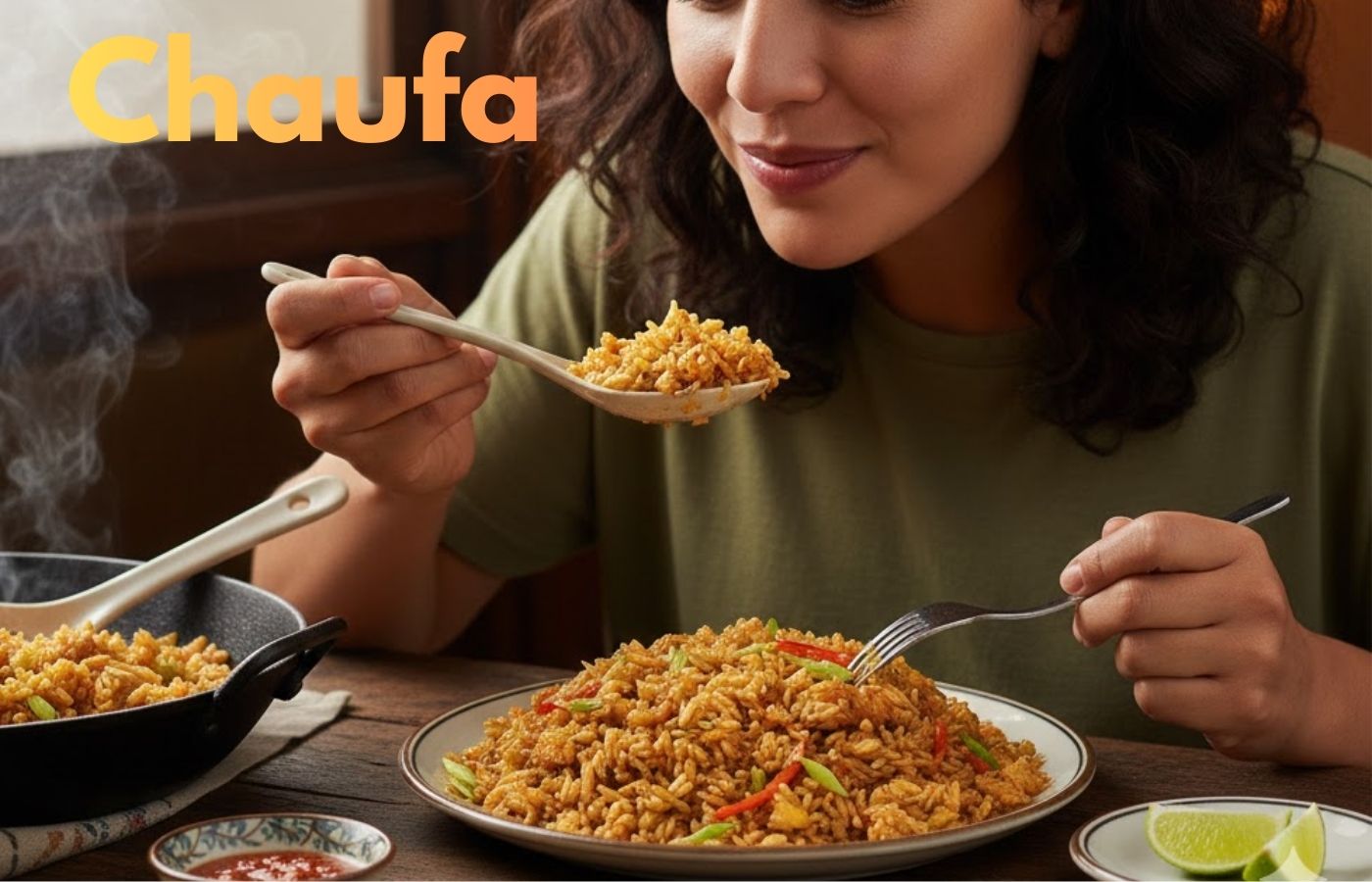 Step-by-Step Guide to Perfecting Chaufa at Home
Making authentic chaufa at home requires attention to ingredients, timing, and technique. Start by cooking rice in advance and letting it cool; day-old rice prevents mushiness and ensures individual grains remain separated during stir-frying. Prepare your proteins—chicken, beef, or tofu—by cutting them into small, uniform pieces to guarantee even cooking.
The next step is the aromatics. Mince garlic, ginger, and green onions; these form the base flavor profile of any traditional chaufa. Heat a wok or large skillet on high heat and add a neutral, high-smoke-point oil. Stir-fry the proteins first until almost cooked, then remove them and set aside. This ensures that the ingredients do not release excess moisture, maintaining the dish’s signature texture.
Add aromatics to the wok, stir-frying briefly to release their fragrance. Next, add the rice and soy sauce, tossing continuously to coat evenly. Reintroduce the proteins and crack in eggs, stirring quickly to scramble them uniformly throughout the rice. Adjust seasoning with a pinch of white pepper or a dash of sesame oil at the end for aroma.
Regional Variations of Chaufa Across Peru
It has evolved in different regions of Peru, reflecting local tastes, ingredients, and culinary traditions. In Lima, the capital, It is typically richer with proteins such as chicken and shrimp, served in generous portions. Chefs often add extra soy sauce or oyster sauce to enhance flavor, while keeping the traditional high-heat stir-fry method intact.
In coastal regions like Callao or Trujillo, seafood chaufa is particularly popular. Local fish, squid, or shrimp replace chicken or beef, creating a lighter, more aromatic dish that pairs perfectly with the region’s fresh ingredients. Vegetables like corn, peas, and bell peppers are often added for texture and color, reflecting the area’s agricultural abundance.
The Andean regions, where rice was historically less common, tend to use smaller portions of meat and incorporate local vegetables such as zucchini, potatoes, or carrots. This adaptation maintains It ’s essence while making it accessible to communities with limited rice consumption.
Pairing Chaufa with Sauces, Drinks, and Side Dishes
It is versatile and pairs well with a variety of accompaniments that enhance its flavor. Traditional options include ají sauces or mild chili sauces that add a slight kick without overwhelming the dish. For home cooks, soy-based dipping sauces or garlic-lime dressings complement the fried rice, bringing out the umami in proteins.
When it comes to drinks, light beverages such as green tea or sparkling water allow the flavors of it to stand out, while soft drinks are common in casual dining settings. For a more festive experience, Peruvian beers or dry white wines pair well with chicken or seafood chaufa, balancing richness with acidity.
Side dishes can also elevate the meal. Fresh salads, pickled vegetables, or simple stir-fried greens provide textural contrast and nutritional balance. Some restaurants serve It with small portions of ceviche or yuca fries, introducing a fusion of flavors that highlights Peru’s culinary creativity.
Tips for Making Low-Calorie or Vegan Chaufa
Modern dietary trends have led to healthier adaptations of it that cater to vegans and calorie-conscious individuals. For a vegan version, meat and eggs can be replaced with tofu, tempeh, or a variety of vegetables like broccoli, zucchini, and carrots. Using brown rice or quinoa instead of white rice increases fiber content and adds nutritional density.
To reduce calories without sacrificing flavor, minimize oil usage and select high-smoke-point oils in small quantities. Low-sodium soy sauce or tamari ensures flavor while managing sodium intake. Incorporating fresh herbs like cilantro or parsley can boost aroma and taste without added fat.
Cooking techniques are also important. Light stir-frying on high heat prevents oil absorption while preserving texture. Portion control is another key strategy, allowing individuals to enjoy the dish while keeping caloric intake moderate.
How to Store and Reheat Chaufa Without Losing Flavor
Proper storage and reheating are essential for preserving It ’s taste, texture, and nutritional value. After cooking, allow the dish to cool to room temperature before refrigerating in airtight containers. This prevents moisture accumulation and helps rice grains maintain separation.
For longer storage, freezing portions is possible, though some texture changes may occur. When reheating, use a wok or non-stick pan on medium-high heat, adding a small amount of oil to prevent sticking. Stir frequently to evenly heat the rice and proteins, maintaining the signature slightly crisp texture.
Microwave reheating is convenient but can make rice slightly mushy. To counteract this, sprinkle a few drops of water over the rice and cover loosely to create steam, preserving moisture without making it soggy.
Global Popularity of Chaufa: From Peru to the World
Chaufa is no longer limited to Peru; it has become a global culinary phenomenon. Increasing interest in Peruvian cuisine and international fusion foods has introduced the dish to food enthusiasts worldwide. Social media platforms, cooking shows, and culinary tourism have contributed to its rising popularity.
In cities with large Peruvian or Latin American communities, chifa restaurants serve chaufa alongside other traditional dishes, catering to both locals and international diners. Food bloggers and online recipe platforms often highlight variations, from vegetarian adaptations to gourmet interpretations, boosting exposure.
Chefs around the world are trying new things. They are using local ingredients like mushrooms, edamame, and quinoa. This helps them attract international tastes. The dish’s adaptability makes it suitable for restaurants, street vendors, and home cooks, reinforcing its global relevance.
As fusion cuisine continues to gain traction, It represents a bridge between cultural tradition and modern gastronomy. Its story—from a Chinese-Peruvian hybrid to a worldwide favorite—illustrates the power of culinary innovation and cultural exchange.
Frequently Asked Questions About Chaufa
What does chaufa mean?
It comes from Cantonese terminology referring to fried rice.
Is chaufa Chinese or Peruvian?
It is a Peruvian dish with Chinese origins.
What rice is best for chaufa?
Long-grain white rice cooked and cooled in advance.
Is chaufa healthy?
It can be healthy when prepared with balanced ingredients.
Can chaufa be vegetarian?
Yes, vegetables or plant-based proteins can replace meat.
Conclusion
Chaufa is more than a fried rice dish—it is a symbol of cultural exchange and culinary evolution. Its history, versatility, and growing global recognition make it an important part of modern food culture. Understanding chaufa provides insight into how tradition and innovation coexist in cuisine.
Stop scrolling—this is the blog everyone is talking about