


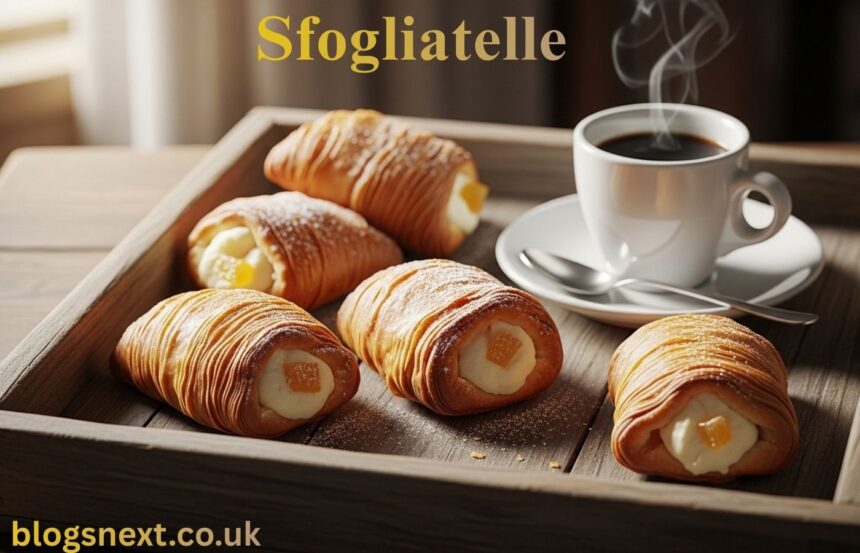
Sfogliatelle: Ultimate Guide to History, Types & Recipes
Sfogliatelle is a celebrated Italian pastry renowned for its crisp, layered exterior and rich, aromatic filling. Originating in the Campania region, particularly Naples, it has become an emblem of Italian culinary artistry. This pastry captivates not only with its visual appeal but also with its intricate preparation, which reflects centuries of tradition and craftsmanship. Sfogliatelle is often enjoyed as a breakfast treat or afternoon indulgence, paired with espresso or a sweet wine. Its unique combination of texture and flavor makes it a memorable experience for anyone encountering it for the first time.
Over time, sfogliatelle has evolved into multiple variations while maintaining its traditional essence. Its preparation involves meticulously layering thin dough sheets, creating the signature flaky shell that defines the pastry. The filling, typically made with ricotta, semolina, and hints of citrus zest, adds depth and aroma, complementing the delicate crust. Culinary enthusiasts and pastry chefs alike consider sfogliatelle a benchmark of skill due to the precision required for its perfect execution. Understanding its heritage and preparation enhances appreciation of this iconic Italian dessert.
This article provides an in-depth exploration of sfogliatelle, covering its definition, history, types, ingredients, preparation techniques, and taste profile. Additionally, readers will find insights into common variations, tips for recognizing authentic sfogliatelle, and answers to frequently asked questions. By combining historical context with modern culinary practices, this guide aims to deliver comprehensive knowledge for both casual readers and pastry aficionados. Whether exploring Italian desserts or seeking to recreate sfogliatelle at home, this resource offers a thorough and engaging overview.
What Is Sfogliatelle?
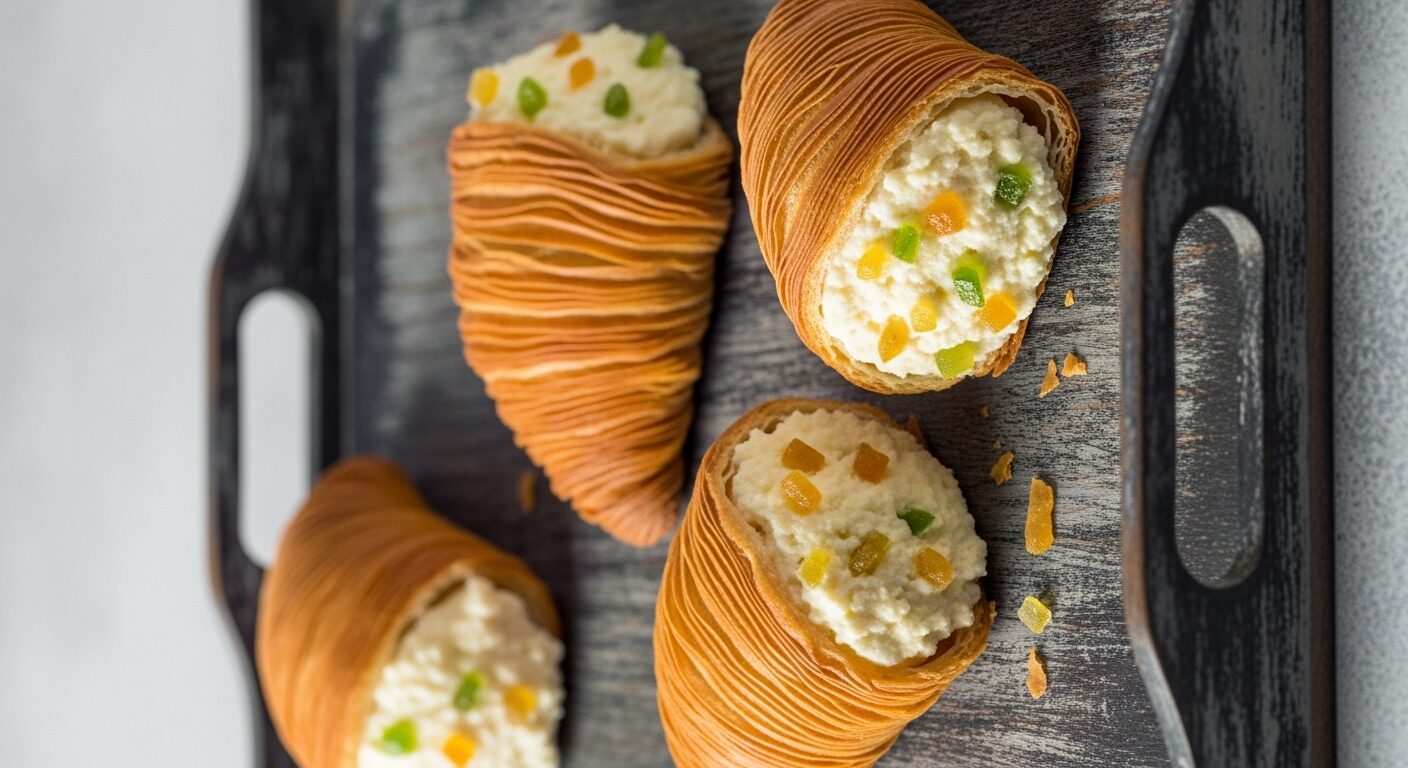
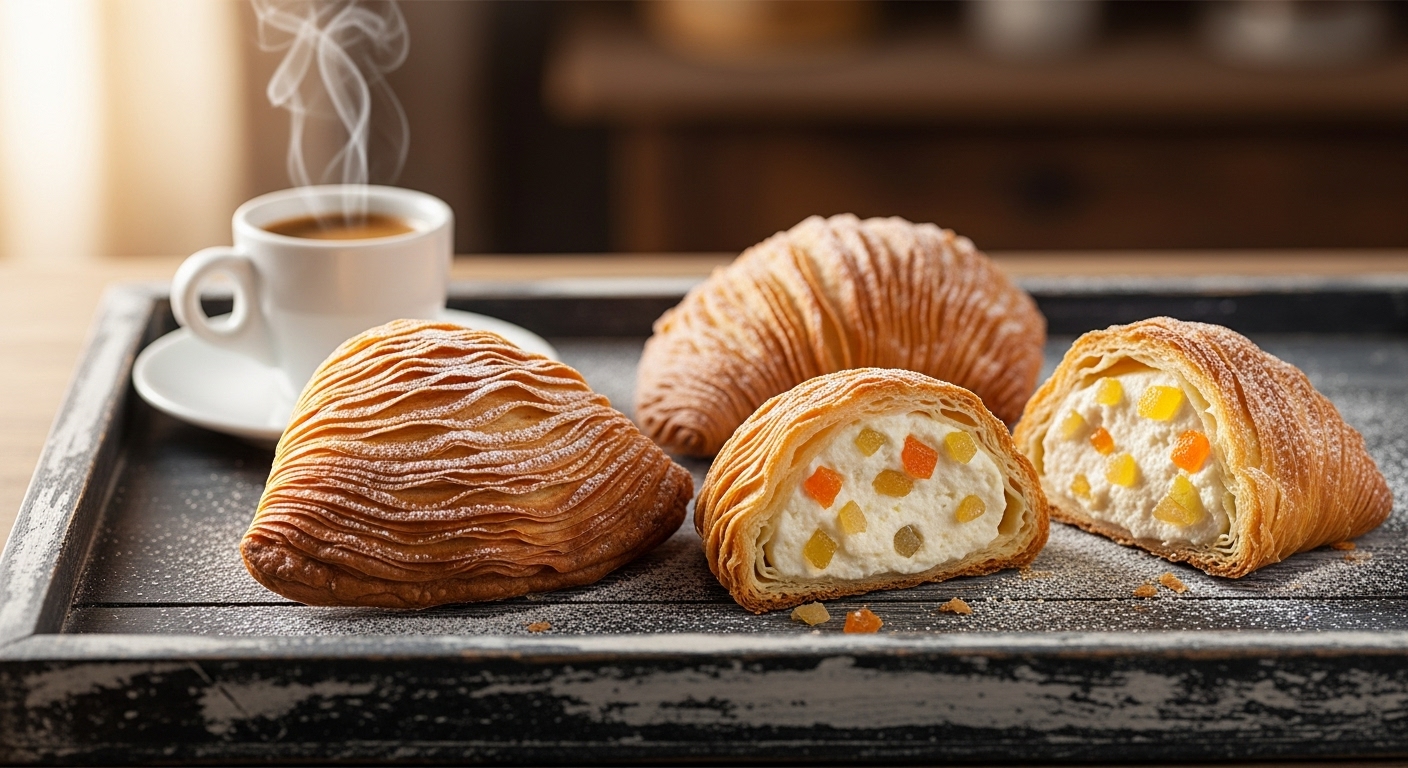
Sfogliatelle is a traditional Italian pastry characterized by its multiple thin layers of dough and rich, creamy filling. The word “sfogliatelle” translates to “small, thin leaves,” a reference to the pastry’s signature flaky structure. Its preparation is labor-intensive, requiring skillful rolling and folding to achieve the delicate, crisp texture. Sfogliatelle typically contain a filling of ricotta, semolina, sugar, and candied citrus peel, infused with subtle spices like cinnamon or vanilla for added flavor. This dessert is often enjoyed fresh from the oven, when the exterior is crisp, and the filling remains moist and aromatic.
Primary ingredients include ricotta, semolina, sugar, and citrus zest
The pastry is recognized for its shell-like layered structure
Preparation requires careful dough lamination to maintain flakiness
Traditionally baked in small, individual portions for freshness
Served at bakeries throughout Naples and Italian regions worldwide
Sfogliatelle is more than a dessert; it embodies Italian heritage and artisanal baking expertise, offering both sensory enjoyment and cultural significance.
 History and Origin of Sfogliatelle
 History and Origin of Sfogliatelle
The origin of sfogliatelle dates back to the 17th century in the convents of Naples, where nuns first prepared a version of this layered pastry. Its name, “sfogliatelle,” reflects the multiple thin layers that resemble leaves or petals, emphasizing its intricate craftsmanship. Initially, the pastry was a celebratory treat for religious festivals and special occasions, gradually becoming a staple in Neapolitan bakeries. Over centuries, sfogliatelle gained popularity across Italy, particularly in southern regions, and eventually attracted international attention due to its unique texture and complex flavors.
Developed by nuns in Naples during the 1600s
Originally intended for religious and festive occasions
Crafted using labor-intensive layering techniques
Represents centuries of Italian baking tradition
Spread across southern Italy before reaching global popularity
Today, sfogliatelle symbolizes both cultural heritage and culinary mastery, with its preparation methods closely guarded by artisan bakers.
Types of Sfogliatelle
Sfogliatelle comes in several variations, each maintaining the signature layered dough while offering subtle differences in flavor and texture. The two most common types are Sfogliatella Riccia and Sfogliatella Frolla, both beloved for their unique qualities.
Sfogliatella Riccia
Sfogliatella Riccia is the classic version, distinguished by its crisp, shell-like exterior and flaky layers. The filling typically consists of ricotta, semolina, sugar, and candied citrus, creating a delicate balance of creamy and crunchy textures. Achieving the signature flakiness requires skillful lamination of the dough, followed by precise shaping into a conical form. Riccia is often considered the most authentic representation of sfogliatelle, offering a refined taste and an unmistakable visual appeal.
Crisp, layered shell with multiple thin folds
Creamy, citrus-infused ricotta filling
Requires expert dough rolling and shaping
Traditionally baked in small portions for freshness
Most iconic and widely recognized variation
Sfogliatella Frolla
Sfogliatella Frolla features a softer, shortcrust exterior compared to Riccia, providing a tender bite while maintaining a flavorful filling. While the filling ingredients are similar, the pastry is easier to make, making it popular for home baking. Frolla’s dough does not require as much lamination, resulting in a less flaky texture but still retaining the characteristic layered interior.
Soft, shortcrust dough for easier preparation
Similar ricotta-based filling with subtle citrus notes
Tender bite compared to the crisp Riccia version
Popular for home bakers and casual consumption
Maintains authentic Italian flavors with simplified techniques
Ingredients Used in Traditional Sfogliatelle
 Ingredients Used in Traditional Sfogliatelle
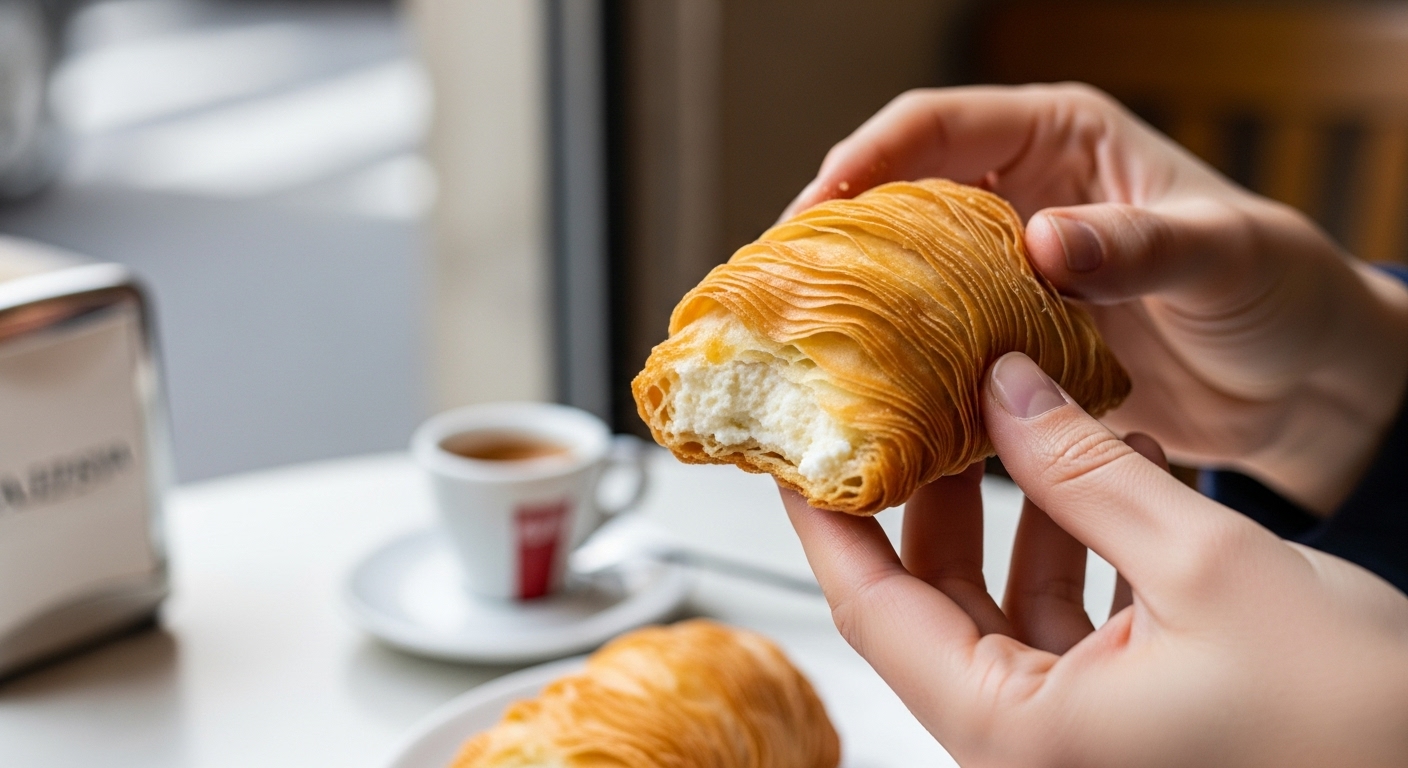
Creating authentic sfogliatelle requires a combination of simple yet high-quality ingredients. Each component contributes to the pastry’s unique texture, flavor, and aroma. Using fresh, traditional ingredients ensures that the layers remain crisp while the filling is smooth and flavorful.
Dough: Wheat flour, water, salt, and sometimes lard or butter for elasticity
Filling: Ricotta cheese, semolina, sugar, candied citrus peel (orange or citron)
Flavor Enhancers: Cinnamon, vanilla extract, or orange zest
Toppings (optional): Light dusting of powdered sugar after baking
Preparation Tips:
Use high-protein flour for optimal layering
Chill the dough between folds to maintain flakiness
Fresh ricotta ensures smooth, creamy texture
Minimal sugar in the dough preserves the delicate pastry flavor
These ingredients, when combined with expert technique, create the classic sfogliatelle that has delighted pastry lovers for centuries.
How Sfogliatelle Is Made
Making sfogliatelle involves multiple steps, each requiring precision to achieve the signature flaky layers and creamy filling. The dough is rolled extremely thin, folded repeatedly, and shaped carefully before baking. Artisans often use traditional rolling pins and molds to ensure uniformity.
Dough Preparation: Mix flour, water, and fat; rest before lamination
Filling Creation: Blend ricotta, semolina, sugar, and citrus zest until smooth
Shaping: Roll and fold dough into thin sheets; cut and form shell
Assembly: Fill each shell with ricotta mixture; seal edges carefully
Baking: Bake at high temperature for 20–25 minutes until golden brown
Proper execution preserves the contrast between the crisp outer layers and soft, aromatic filling, which defines sfogliatelle’s signature appeal.
Taste, Texture, and Aroma Profile
Sfogliatelle captivates the senses with its combination of crispiness, creaminess, and aromatic notes. Each bite provides a layered experience: the outer shell shatters delicately, revealing a soft, flavorful interior. The ricotta filling, enriched with semolina and citrus peel, adds sweetness balanced by subtle tang and fragrance.
Texture: Flaky exterior with creamy interior
Flavor: Sweet ricotta, hints of orange or lemon zest, subtle spices
Aroma: Freshly baked pastry with citrus and vanilla notes
Experience: Balanced sweetness without overwhelming richness
Serving Suggestion: Best enjoyed fresh with espresso or tea
The sensory complexity of sfogliatelle sets it apart from other pastries, combining visual appeal, flavor depth, and aromatic charm in every bite.
Modern Variations of Sfogliatelle
In recent years, sfogliatelle has inspired numerous modern variations while maintaining its traditional charm. Chefs and bakers experiment with fillings, presentation, and even dough to offer unique flavors for contemporary tastes. Sweet innovations may include chocolate, seasonal fruits, nuts, or custard infusions, while savory interpretations incorporate cheeses, herbs, or vegetables. These modern adaptations allow sfogliatelle to cater to diverse palates, extending its appeal beyond classic pastry lovers.
Sweet fillings: chocolate, pistachio, or caramel
Savory options: spinach, ricotta, and herbed cheeses
Miniature bite-sized portions for events or catering
Fusion recipes integrating global dessert trends
Maintains signature layered pastry texture for authenticity
Modern sfogliatelle successfully combines innovation with tradition, attracting both food enthusiasts and culinary experimenters worldwide.
Savory Sfogliatelle
Savory sfogliatelle presents a delightful alternative to traditional sweet versions. These adaptations replace sugary ricotta fillings with savory ingredients like fresh spinach, ricotta, aged cheeses, or lightly seasoned vegetables. While preserving the iconic layered shell, savory sfogliatelle is ideal for brunches, appetizers, or gourmet events. Culinary professionals often experiment with herbs, truffle oil, or Mediterranean spices, creating complex flavor profiles that complement the crisp pastry layers.
Typically filled with cheese, vegetables, or herbs
Can be served warm or at room temperature
Maintains flaky, layered structure despite savory filling
Popular in Italian restaurants and modern bakeries
Offers a sophisticated alternative for catering and events
Savory sfogliatelle demonstrates the pastry’s versatility, appealing to both traditionalists and contemporary diners.
Dessert Innovations
Dessert-oriented innovations extend sfogliatelle’s appeal to global audiences. Pastry chefs experiment with chocolate, caramel, nuts, or exotic fruits, infusing creativity while respecting traditional dough techniques. These variations are often served in boutique patisseries or specialty cafes and are popular on social media for their visual appeal. Mini versions and plated presentations add aesthetic value, making sfogliatelle not only a dessert but also a culinary experience.
Chocolate-filled sfogliatelle for indulgence
Fruit infusions: berries, mango, or citrus blends
Toppings: powdered sugar, chocolate drizzle, or edible gold
Served as individual portions or dessert platters
Combines classic technique with modern aesthetic appeal
By blending tradition with creativity, dessert innovations ensure sfogliatelle remains relevant in modern gastronomy.
Serving and Presentation Tips
Proper serving and presentation enhance sfogliatelle’s appeal. Freshly baked pastries should be consumed immediately for optimal texture and flavor. For cafes or home presentation, arranging sfogliatelle on plates with light garnishes such as citrus zest or powdered sugar highlights both taste and visual aesthetics. Pairing with complementary beverages, like espresso or dessert wine, elevates the culinary experience.
Serve immediately after baking for crispiness
Plate individually or in decorative trays for events
Light dusting of powdered sugar or citrus zest enhances aroma
Pair with espresso, cappuccino, or sweet wine
Present mini sfogliatelle for catering or tasting events
Attention to presentation ensures that sfogliatelle captivates both the palate and the eyes.
Sfogliatelle Around the World
While originating in Naples, sfogliatelle has achieved global recognition. Italian bakeries abroad often adapt recipes to local tastes while maintaining authentic preparation techniques. Cities such as New York, London, and Sydney host patisseries offering traditional sfogliatelle alongside innovative variations. Global popularity has been driven by culinary tourism, media exposure, and social media platforms showcasing visually striking desserts.
International bakeries preserving Neapolitan techniques
Adaptations with local ingredients to suit regional tastes
Featured in gourmet events, festivals, and dessert menus
Popular on social media due to unique layered appearance
Encourages cultural exchange and appreciation of Italian pastries
Global spread emphasizes sfogliatelle’s status as a versatile and internationally admired dessert.
Recognizing Authentic Sfogliatelle
 Recognizing Authentic Sfogliatelle
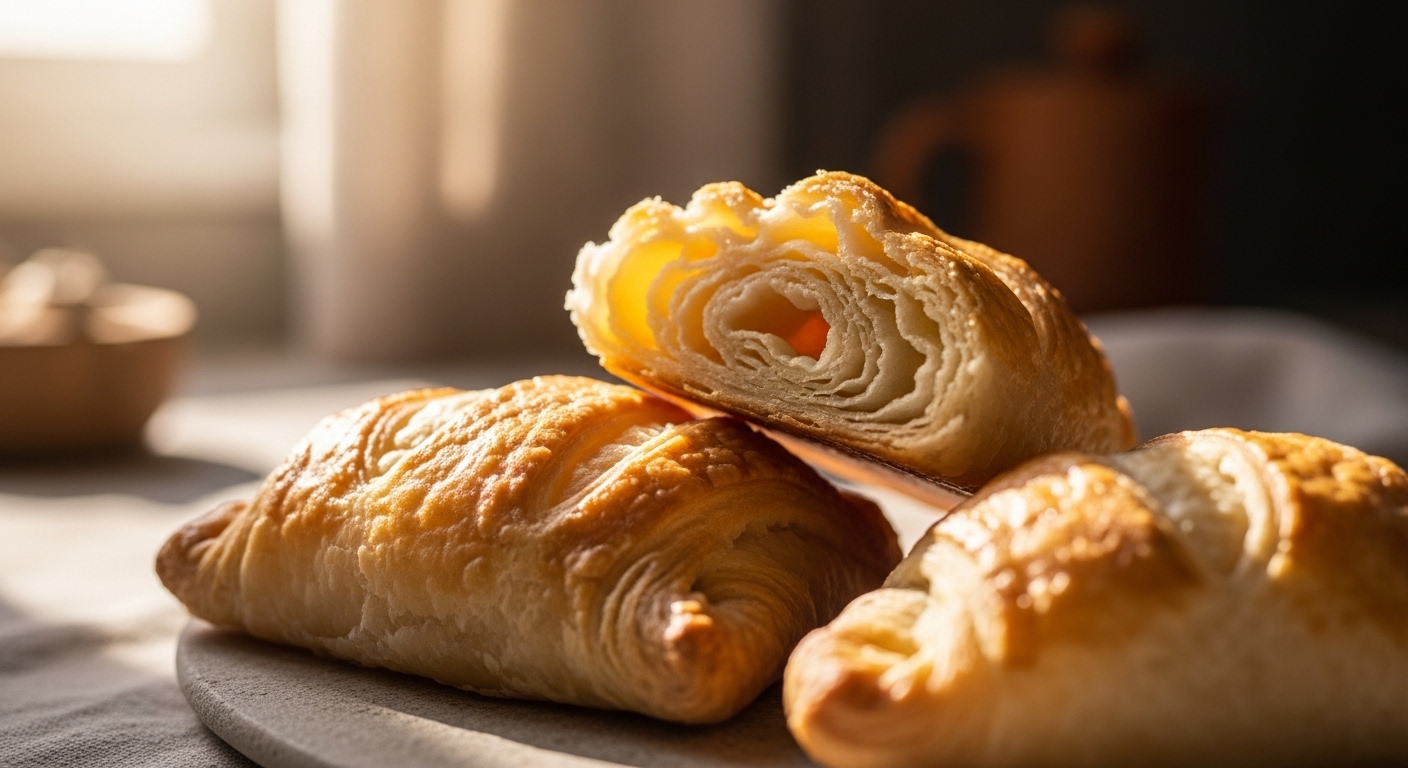
Authentic sfogliatelle is distinguished by its crisp, layered shell and aromatic filling. Observing dough quality, shape, and texture allows connoisseurs to identify genuine Neapolitan pastries. The filling should be smooth, balanced in sweetness, and infused with traditional flavorings like citrus zest. Presentation, freshness, and aroma are additional markers of authenticity.
Flaky, layered exterior without excessive oil
Ricotta and semolina filling with subtle citrus notes
Consistent conical shape and uniform layering
Lightly dusted with powdered sugar if served
Maintains freshness and balanced sweetness
Recognizing authenticity ensures a satisfying culinary experience, whether in Naples or international patisseries.
Common Mistakes When Making Sfogliatelle
Sfogliatelle preparation requires precision; novice bakers often encounter common errors. Improper dough lamination leads to uneven or dense layers, while overfilling can compromise baking. Filling consistency and flavor balance are crucial, as is baking at the correct temperature to achieve a golden, crisp exterior.
Overworking or under-resting dough
Filling too wet or overly sweet
Inconsistent shaping of pastry shells
Incorrect oven temperature causing soggy layers
Skipping essential chilling or resting steps
By addressing these pitfalls, bakers can consistently produce sfogliatelle that meets traditional standards.
Tips for Baking Perfect Sfogliatelle
Achieving ideal sfogliatelle requires adherence to artisanal techniques. Dough must be rolled ultra-thin and folded carefully, with precise temperature control during baking. Attention to filling consistency ensures moisture without compromising the crisp exterior. Following expert advice minimizes errors and enhances flavor.
Use high-protein flour for optimal layering
Chill dough between folds to maintain crispiness
Blend ricotta and semolina for smooth, aromatic filling
Bake at moderate-high temperature for 20–25 minutes
Monitor for golden brown exterior without burning layers
Applying these tips allows both home bakers and professionals to produce consistent, high-quality pastries.
Health and Nutritional Information
Traditional sfogliatelle is rich in carbohydrates and fat due to pastry layers and ricotta-based filling. Nutritional content can vary based on portion size and additional ingredients. Health-conscious bakers may opt for low-fat ricotta, sugar alternatives, or reduced portions to balance indulgence and dietary needs.
Typical calorie range: 250–350 per serving
Primary ingredients: flour, ricotta, sugar, butter/lard
Contains moderate protein from ricotta
Optional substitutions: low-fat dairy, alternative sweeteners
Best enjoyed occasionally for balanced diet
Understanding nutritional aspects allows informed consumption without sacrificing enjoyment.
Pairing Sfogliatelle with Beverages
Sfogliatelle pairs exceptionally well with beverages that complement its sweetness and richness. Traditional pairings include espresso, cappuccino, or dessert wine, enhancing both flavor and aroma. For modern adaptations, herbal teas or lightly sparkling beverages may be served. Proper pairing elevates the dessert from a simple pastry to a complete culinary experience.
Espresso or cappuccino for breakfast or brunch
Sweet dessert wine for evening indulgence
Herbal teas for lighter, refreshing pairing
Serve chilled or warm depending on beverage choice
Consider presentation for aesthetic appeal
Thoughtful pairing enhances enjoyment and highlights sfogliatelle’s complex flavor profile.
Cultural Significance Today
 Cultural Significance Today
Sfogliatelle continues to play a role in Italian festivals, culinary traditions, and artisan bakeries. Beyond Naples, it symbolizes Italian craftsmanship and cultural heritage. Modern chefs preserve techniques while innovating flavors, bridging tradition and contemporary tastes. Social media and tourism have further cemented its international cultural relevance.
Featured in Naples’ festivals and celebrations
Represents Italian artisanal baking excellence
Preserved in family-run and boutique bakeries
Popularized through media, travel, and social networks
Continues to inspire culinary innovation globally
The pastry remains a bridge between historical tradition and contemporary cuisine.
FAQ Section
Q1: How long does sfogliatelle stay fresh?
Best consumed within a few hours of baking; up to 24 hours if stored in airtight containers at room temperature. Crispness diminishes over time.
Q2: Can sfogliatelle be frozen and reheated?
Yes, freeze unbaked or freshly baked sfogliatelle. Reheat in a moderate oven to restore flakiness; microwaving reduces crispiness.
Q3: What is the difference between Riccia and Frolla?
Riccia: crisp, layered dough, traditional and labor-intensive. Frolla: soft, shortcrust dough, easier for home baking but less flaky.
Q4: Can sfogliatelle be made vegan?
Substitute ricotta with plant-based alternatives (cashew or almond cream), use vegan butter or oil, and adjust sweeteners to retain flavor.
Q5: Are there gluten-free options?
Gluten-free versions require specialty flours and modified lamination. Texture differs from traditional layers but preserves flavors with careful technique.
Conclusion:
Sfogliatelle exemplifies Italian culinary artistry through its crisp layers, creamy filling, and rich history. From traditional Riccia to modern sweet and savory innovations, it continues to captivate global audiences. Recognizing authentic sfogliatelle, understanding preparation techniques, and exploring variations enriches the appreciation of this iconic pastry. Whether enjoyed in Naples, at a local bakery, or recreated at home, sfogliatelle offers both cultural significance and an unforgettable culinary experience.
Stop scrolling—this is the blog everyone is talking about