


United Airlines Flight UA770 Emergency Diversion Explained: Causes, Safety Protocols, Passenger Impact & FAA Response
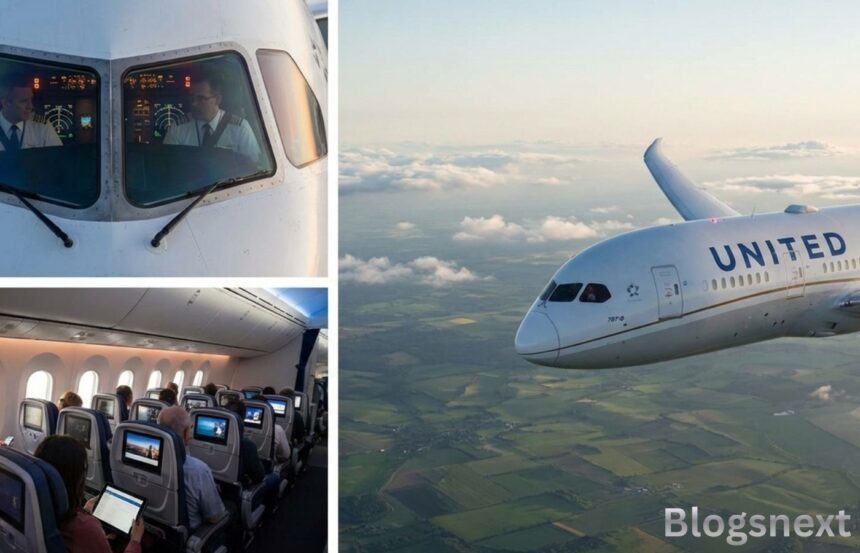
United Airlines Flight UA770 emergency diversion drew international attention when a routine long-haul flight encountered an unexpected technical anomaly mid-air. The Boeing 787-9 Dreamliner, operating from Barcelona, Spain, to Chicago, USA, diverted to an alternate airport as a precautionary safety measure. Such decisions reflect modern aviation’s emphasis on risk mitigation, passenger protection, and operational discipline rather than reactive crisis management.
Throughout the diversion, passengers received calm and structured communication, while flight and cabin crew followed established emergency response procedures. The United Airlines Flight UA770 emergency diversion demonstrates how airlines apply proactive safety protocols, advanced monitoring systems, and coordinated decision-making to maintain control during unforeseen operational events.
Beyond the immediate incident, the UA770 diversion provides valuable insight into aviation safety standards, in-flight emergency procedures, and the regulatory oversight that governs airline operations. Understanding how these systems function helps passengers recognize the complexity and precision behind safe commercial air travel.
What Is an In-Flight Emergency Diversion? Aviation Definition, Causes, and Safety Purpose
An in-flight emergency diversion occurs when an aircraft lands at an airport other than its planned destination due to unexpected operational circumstances. These diversions may be precautionary or critical, depending on the severity of the situation and potential risk factors.
Precautionary diversions address minor technical irregularities or early warning alerts, while critical diversions respond to immediate safety threats. Common triggers include aircraft system alerts, medical emergencies, adverse weather conditions, security concerns, or airspace restrictions. In each case, pilots coordinate closely with Air Traffic Control to identify the safest and most suitable diversion airport.
Cabin crew play a vital role by delivering clear safety instructions and maintaining passenger reassurance throughout the process. Emergency diversions are a normal component of commercial aviation and reflect proactive safety management rather than airline failure or aircraft unreliability.
 Common Reasons Flights Are Diverted Mid-Air
 Common Reasons Flights Are Diverted Mid-Air
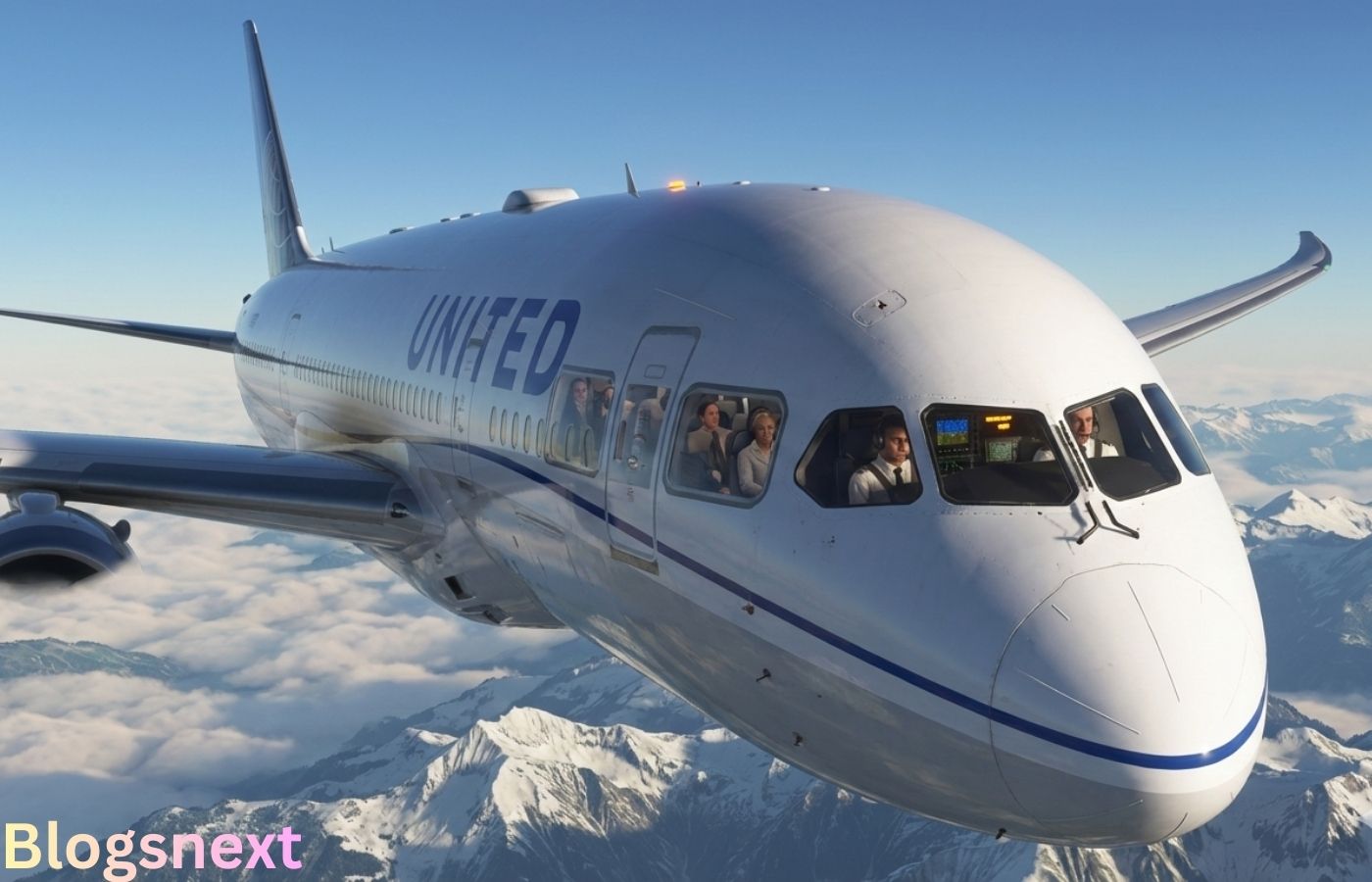
Flights are diverted mid-air for multiple reasons, all centered on minimizing operational risk and ensuring passenger safety. Technical anomalies remain one of the most common causes, with onboard sensors detecting issues related to engines, avionics, or cabin pressurization systems.
Weather conditions also play a significant role, particularly when severe storms, turbulence, or unsafe landing conditions develop at the intended destination. Medical emergencies may require immediate diversion to ensure timely access to professional care. In some cases, airspace congestion, closures, or Air Traffic Control directives necessitate route changes or alternate landings. Although rare, security concerns can also trigger emergency diversions under strict protocols.
In the case of UA770, a minor technical irregularity prompted a precautionary diversion. While not life-threatening, the decision reflected proactive airline safety policy, emphasizing early intervention over escalation to preserve passenger and crew protection.
How Pilots and Cabin Crew Handle Emergency Diversions
Flight crews receive extensive simulator and real-world training to manage emergency diversions efficiently and calmly. Pilots begin by assessing system alerts, environmental conditions, and potential risks before deciding whether diversion is required. Once confirmed, they communicate continuously with Air Traffic Control and airline operations to coordinate routing and landing logistics.
Cabin crew focus on passenger safety and situational control. This includes delivering clear instructions, ensuring seat belt compliance, preparing emergency equipment, and monitoring cabin conditions. Pilots execute standardized checklists to stabilize the aircraft and conduct a controlled descent toward the selected diversion airport.
During the UA770 incident, coordinated cockpit leadership and professional cabin management ensured a smooth and controlled diversion, demonstrating the effectiveness of aviation training and procedural discipline.
What Passengers Experience During an Emergency Diversion
Passengers often experience heightened anxiety during an emergency diversion, but airline protocols are designed to reduce uncertainty and maintain order. Cabin crew provide regular updates, explain safety procedures, and instruct passengers on brace positions or remaining seated when necessary.
Onboard medical kits and trained personnel are available should health concerns arise during the diversion. After landing, airlines assist passengers with rebooking, accommodations, meals, and onward travel arrangements when required.
Reports from UA770 passengers highlighted calm communication and professional handling, reinforcing the importance of transparency and reassurance in managing passenger experience during unexpected events.
How Airlines Communicate With Families and Media During Emergency Diversions
Effective communication extends beyond the aircraft to families and media outlets. Airlines use app notifications, emails, and phone calls to keep families informed about flight status and diversion updates. Official media statements ensure accurate reporting, preventing misinformation and maintaining public trust.
Transparency is critical; clearly explaining the reason for diversion reassures stakeholders about operational safety. In the case of UA770, United Airlines ensured timely family notifications and coordinated media communication, reinforcing confidence in its emergency response capabilities.
Post-Landing Aircraft Inspections and Safety Investigations After Emergency Diversions
Following a diversion, a comprehensive post-landing investigation ensures the safety of the aircraft and informs future procedures. Technical teams inspect engines, avionics, and other critical systems to confirm airworthiness. Pilots and cabin crew debrief to evaluate procedural effectiveness and decision-making accuracy.
Regulatory authorities such as the FAA document the incident and review compliance with established aviation safety standards. Findings are used to enhance emergency procedures, update training programs, and refine risk management protocols. The UA770 incident demonstrates how systematic evaluation after a diversion reinforces industry-wide aviation safety.
Key Takeaways From the UA770 Emergency Diversion Incident
The UA770 emergency diversion provides several lessons for airlines and passengers:
- Proactive safety measures prevent escalation: Minor system alerts should be addressed immediately.
- Comprehensive crew training is essential: Simulator drills and emergency procedure practice ensure smooth execution.
- Clear communication reduces passenger anxiety: Regular, structured updates maintain calm.
- Operational coordination is critical: Effective diversions require pilots, ATC, and ground teams to function seamlessly.
These insights reinforce that aviation safety relies on training, technology, and structured procedural adherence.
 Aviation Safety Technology and the Future of Emergency Diversions
 Aviation Safety Technology and the Future of Emergency Diversions
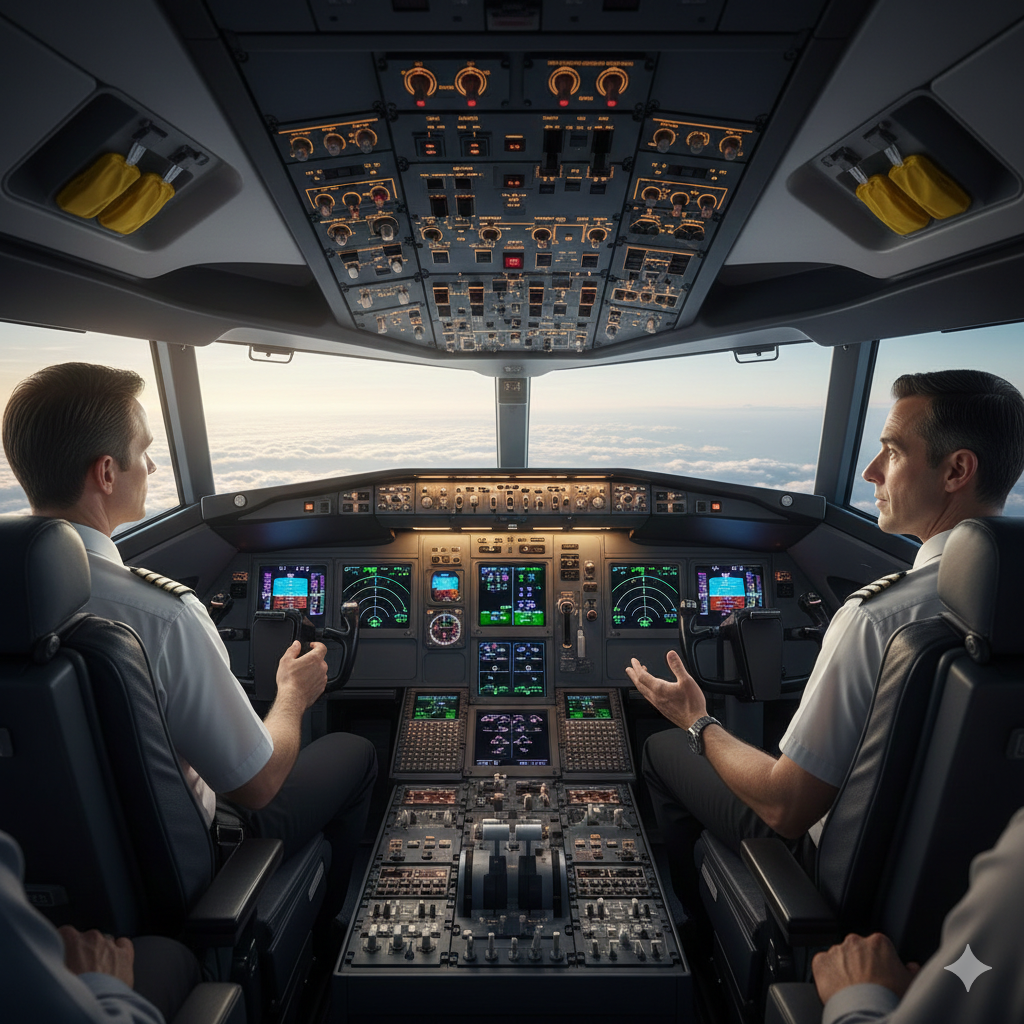
Modern aviation technology enhances safety and minimizes emergency risks. Predictive maintenance using AI monitors aircraft systems to detect anomalies early. Real-time sensor data informs pilots of potential technical irregularities. Automated cockpit systems support pilot decision-making during high-pressure scenarios. Leading airlines implement advanced monitoring and emergency response protocols to reduce diversion frequency and ensure passenger protection.
As technology continues to advance, emergency diversions become more efficient, safer, and better coordinated, highlighting the role of innovation in aviation risk management.
Tips for Passengers During In-Flight Emergency Diversions
Travelers can prepare for potential in-flight diversions by following these safety practices:
- Stay calm and adhere strictly to crew instructions.
- Keep essential items such as travel documents, medications, and electronic devices accessible.
- Familiarize yourself with safety equipment locations, including oxygen masks, life vests, and emergency exits.
- Use airline apps for real-time updates about flight status and connection changes.
- Mentally anticipate minor delays or diversions as part of responsible air travel preparation.
Implementing these guidelines supports passenger safety, confidence, and effective compliance during diversions.
What Happened to United Airlines Flight UA770? Full Incident Overview and Timeline
United Airlines Flight UA770 departed Barcelona, Spain, bound for Chicago, USA. Mid-flight, the aircraft’s sensors detected a minor technical anomaly. While not immediately life-threatening, the captain decided to initiate an emergency diversion to prioritize safety.
Key facts about the incident:
- Aircraft: Boeing 787-9 Dreamliner
- Route: Barcelona (BCN) → Chicago (ORD)
- Event trigger: Minor technical anomaly
- Pilot response: Immediate activation of emergency protocols
- Passenger communication: Continuous updates from cabin crew
The diversion was executed without incident, demonstrating United Airlines’ proactive approach to aircraft safety and risk management.
Why Was United Airlines Flight UA770 Diverted? Technical Alert, Risk Assessment, and Pilot Decision
Emergency diversions prioritize passenger and crew safety over flight schedules. UA770’s decision to divert was influenced by:
- Technical alert: Sensors identified a minor mechanical irregularity
- Passenger health and readiness: Crew prepared for any medical needs
- Weather and airspace considerations: Alternate airports were evaluated
- FAA and ATC coordination: Safest diversion route approved
The precautionary diversion reflects United Airlines’ commitment to proactive risk mitigation rather than reactive problem management.
 Where Did United Airlines Flight UA770 Land? Toulouse Emergency Landing Explained
 Where Did United Airlines Flight UA770 Land? Toulouse Emergency Landing Explained
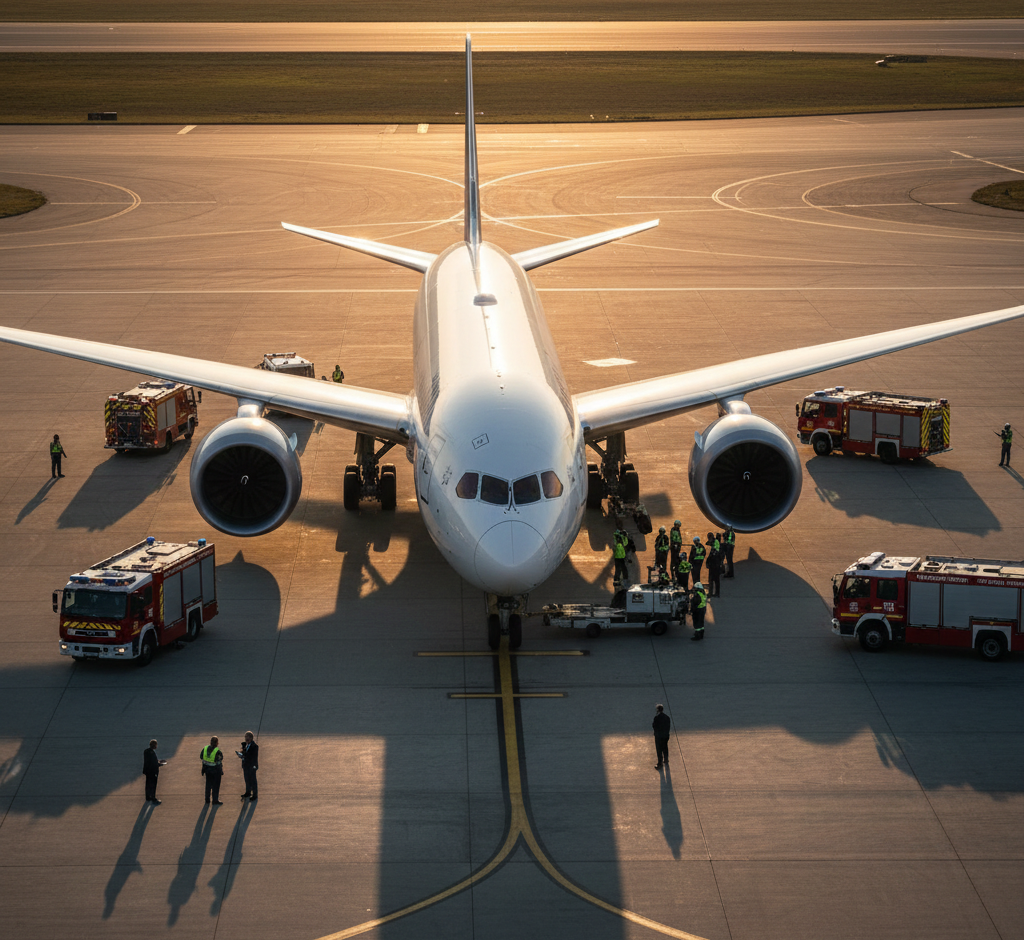
Flight UA770 landed safely at Toulouse-Blagnac Airport, France, the nearest facility capable of handling the Boeing 787-9. Emergency personnel, including firefighters and medical teams, were on standby to support passengers.
Operational highlights:
- Emergency services readiness ensured passenger safety
- ATC priority facilitated a smooth approach and landing
- Passenger guidance maintained calm throughout descent
- Efficient baggage and operational coordination expedited post-landing processing
The successful diversion underscores seamless collaboration between airline and airport authorities during mid-air emergencies.
Passenger and Crew Safety on UA770: Emergency Protocols, Medical Readiness, and Cabin Control
Safety protocols were strictly followed during the diversion. Crew readiness included emergency drills, instruction on brace positions, seatbelt compliance, and equipment checks. Medical support was immediately available, and post-landing assistance ensured onward travel without incident. No injuries occurred, highlighting the effectiveness of operational preparedness and crew training.
United Airlines Emergency Diversion Procedures Explained: Step-by-Step Aviation Safety Protocols
Emergency diversions follow systematic procedures:
- Situation assessment: Pilots and crew evaluate potential hazards
- Communication: Continuous updates to ATC and operations
- Diversion airport selection: Consideration of runway length, weather, and emergency facilities
- Passenger communication: Clear and calm instructions providedExecution: Standardized emergency checklists followed
These procedures ensure passenger protection and demonstrate United Airlines’ commitment to structured emergency management.

Impact on Passengers After UA770 Diversion: Delays, Rebooking Policies, Compensation, and Airline Support
Impact on Passengers After UA770 Diversion: Delays, Rebooking Policies, Compensation, and Airline Support
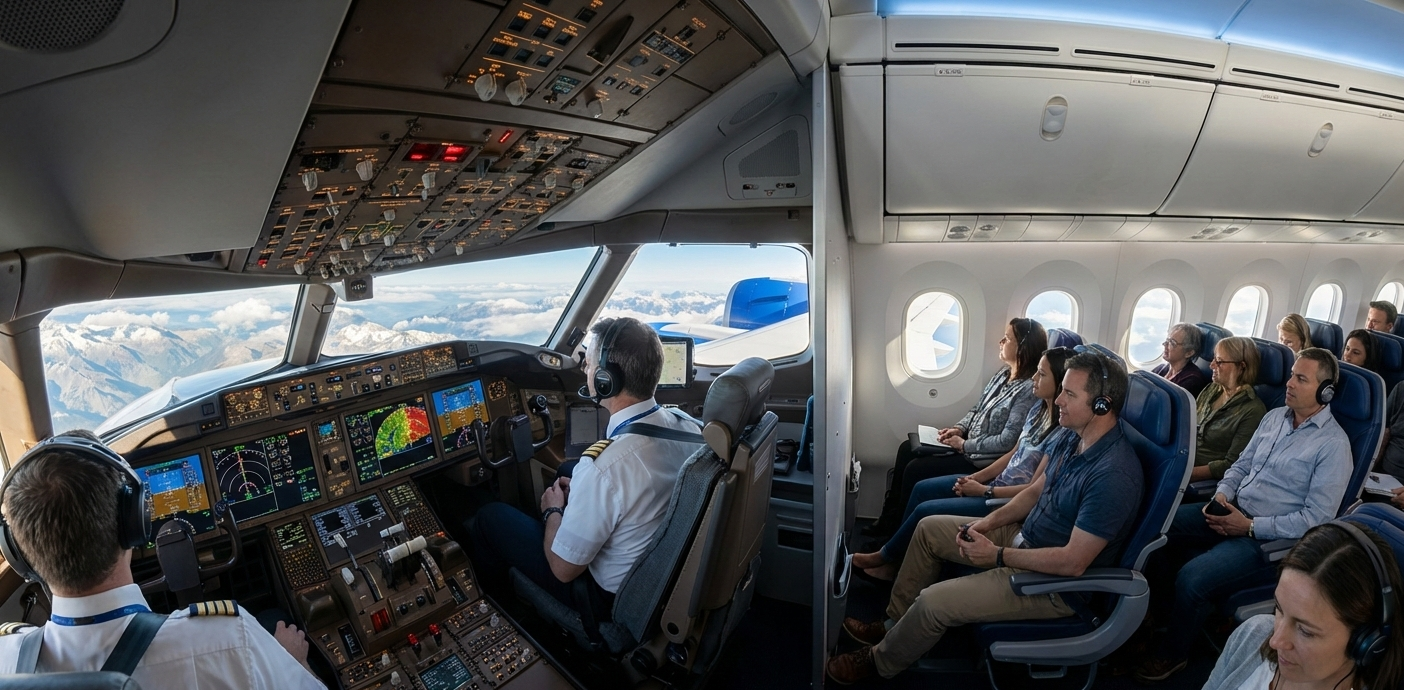
Passengers experienced temporary disruption, but United Airlines implemented structured support measures to minimize inconvenience. Flight connections were rebooked where necessary, and accommodations and meals were provided according to airline policy. Customer support teams maintained transparency regarding schedules, rebooking options, and compensation procedures. Cabin crew ensured passengers remained calm and informed, highlighting the airline’s passenger-first approach during unexpected diversions.
FAA and Aviation Authority Involvement in UA770 Emergency Diversion: Oversight, Compliance, and Reporting
Regulatory oversight ensures emergency diversions are executed safely and systematically. The FAA monitored compliance with safety protocols, approved landing clearance, and coordinated with Toulouse-Blagnac Airport. Post-landing inspections verified aircraft system functionality, and incident documentation was submitted for safety analysis. Recommendations from authorities informed updates to operational procedures, reinforcing industry-wide aviation safety standards and transparency.
Technological and Training Insights Behind Safe Emergency Diversions
Modern aircraft technology and crew training enhance diversion safety. Advanced monitoring systems detect anomalies early, while simulator-based training prepares pilots for diverse emergency scenarios. Crew coordination ensures consistent communication with passengers and between cockpit and cabin. Data analysis from past incidents enables airlines to refine emergency protocols, improving overall aviation safety and effectiveness during diversions.
Is United Airlines Safe to Fly After the UA770 Incident? Safety Record, Training, and FAA Compliance
Yes. UA770’s diversion reflects precautionary measures rather than systemic failure. United Airlines maintains routine aircraft maintenance and inspections, continuous crew training including emergency drills, compliance with FAA and international standards, and real-time operational monitoring of flights. Transparent communication with passengers underscores the airline’s safety-first culture, ensuring confidence in its operations despite isolated emergency diversions.
 Detailed Timeline of United Airlines Flight UA770 Emergency Diversion
 Detailed Timeline of United Airlines Flight UA770 Emergency Diversion
- Takeoff: UA770 departs Barcelona, Spain
- Alert: Minor technical anomaly detected
- Assessment: Crew evaluates situation and communicates with ATC
- Diversion decision: Captain announces emergency landing
- Landing preparation: Crew instructs passengers, emergency teams ready
- Landing: UA770 safely touches down at Toulouse-Blagnac Airport
- Post-landing: Passengers disembark and receive support for onward travel
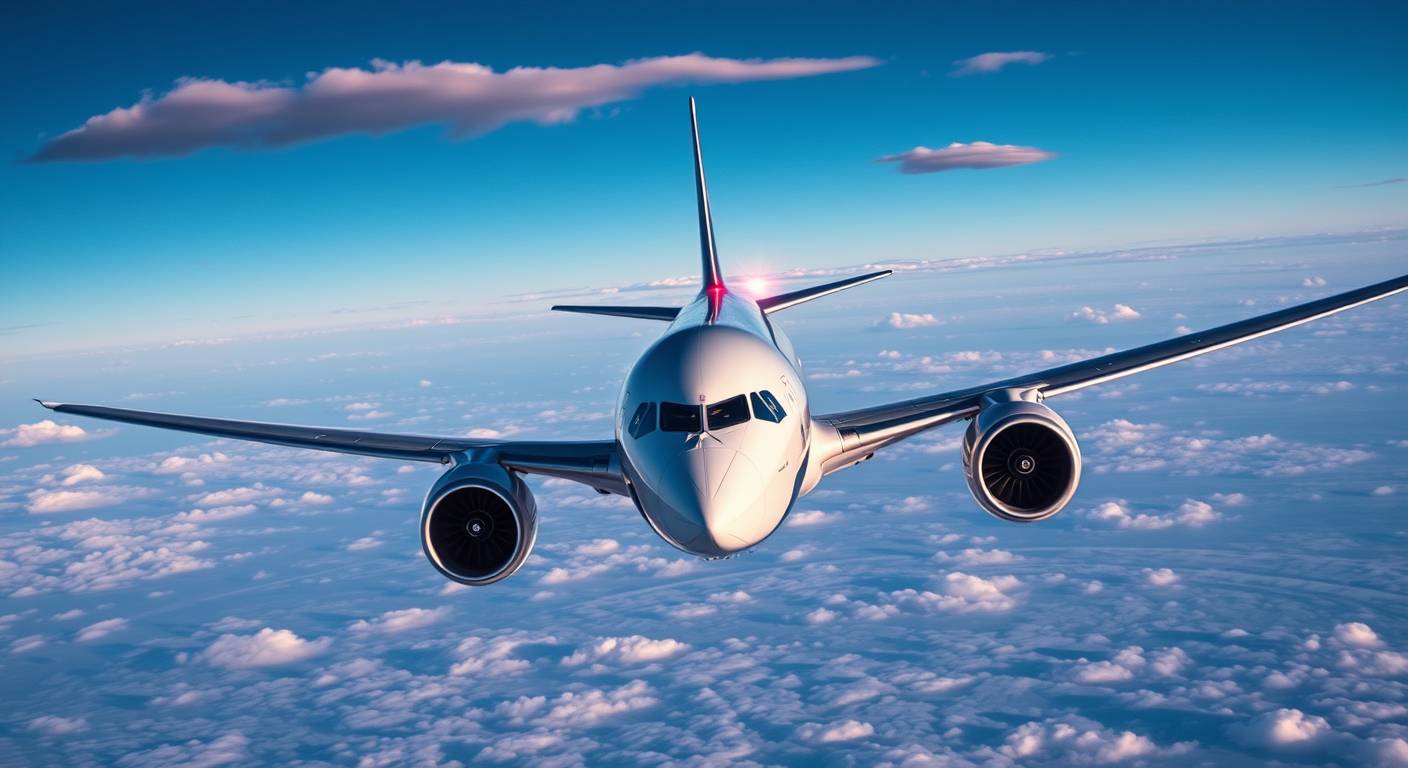
This timeline illustrates coordinated decision-making, procedural adherence, and operational safety management throughout the diversion process.
Frequently Asked Questions (FAQ) About United Airlines Flight UA770 Emergency Diversion
Q1: What caused the UA770 emergency diversion?
A1: A minor technical anomaly triggered a precautionary diversion. Pilots followed established safety procedures, and the issue was not life-threatening.
Q2: Where did UA770 land?
A2: Toulouse-Blagnac Airport, France. Emergency services were prepared to assist if needed.
Q3: Were there any injuries?
A3: No injuries occurred. The crew adhered strictly to safety protocols.
Q4: How common are emergency diversions?
A4: Emergency diversions are infrequent precautionary measures designed to protect passengers and aircraft.
Q5: What assistance do passengers receive post-diversion?
A5: Airlines provide rebooking, accommodations, meals, and clear guidance on compensation.
Q6: How does United Airlines ensure flight safety?
A6: Through routine maintenance, advanced monitoring, rigorous crew training, and FAA compliance.
Q7: Are emergency diversions a sign of unsafe airlines?
A7: No. Diversions reflect proactive safety management rather than airline failure.
Actionable Passenger Safety Insights for Future In-Flight Emergency Diversions
- Review airline emergency policies prior to travel
- Follow crew instructions calmly during any incident
- Maintain travel insurance for emergencies
- Use airline apps for real-time flight updates
- Familiarize yourself with brace positions and safety equipment locations
Implementing these practices ensures passenger safety, preparedness, and mental readiness during in-flight diversions.
Stop scrolling—this is the blog everyone is talking about